

Airlines Allowed to Cancel Flights Early Without Losing Slots
Published by V.S. Journeys
New government plans let carriers cut schedules weeks in advance and merge flights – aiming to prevent last‑minute summer travel chaos while protecting airport landing rights.
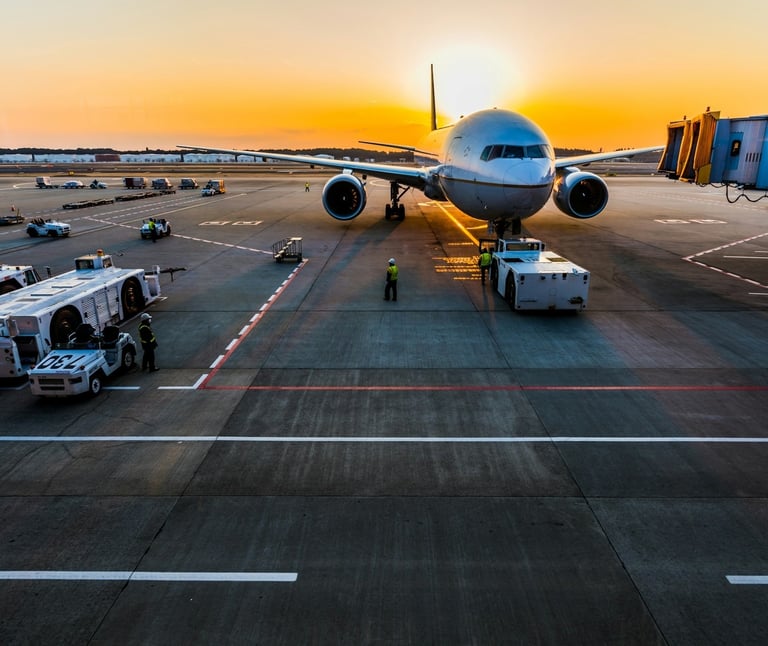
In a major move to prevent summer travel chaos, the UK government has unveiled contingency plans that will allow airlines to cancel flights well ahead of time – without risking their valuable take‑off and landing slots at busy airports like Heathrow and Gatwick.
The new rule, which is expected to be introduced via a statutory instrument after a short consultation, is designed to help carriers respond to potential jet fuel shortages without triggering last‑minute cancellations for passengers.
Posted on 15. May 2026
Under the plans, airlines can hand back unused slots temporarily while retaining the right to use them again the following year. They will also be permitted to merge flights on routes with multiple daily services to the same destination – moving passengers from their original booking to a similar flight on the same day.


Transport Secretary Heidi Alexander explained that the goal is to avoid the kind of frantic, last‑minute disruption that leaves holidaymakers stranded at departure gates. “The last thing I want is any passenger turning up to receive a text message saying that their flight is cancelled,” she said. The government believes that by allowing airlines to plan realistically and lock in schedules at least two weeks in advance, families can travel this summer with greater confidence.
Under normal slot rules, airlines must use their allocated slots at least 80% of the time, or risk losing them to rivals. That has often led to “ghost flights” – half‑empty planes burning fuel just to retain lucrative slots, which can be worth tens of millions of pounds. The new contingency measures waive that requirement temporarily, enabling airlines to cut flights that would otherwise run nearly empty, and instead consolidate passengers onto fuller planes.
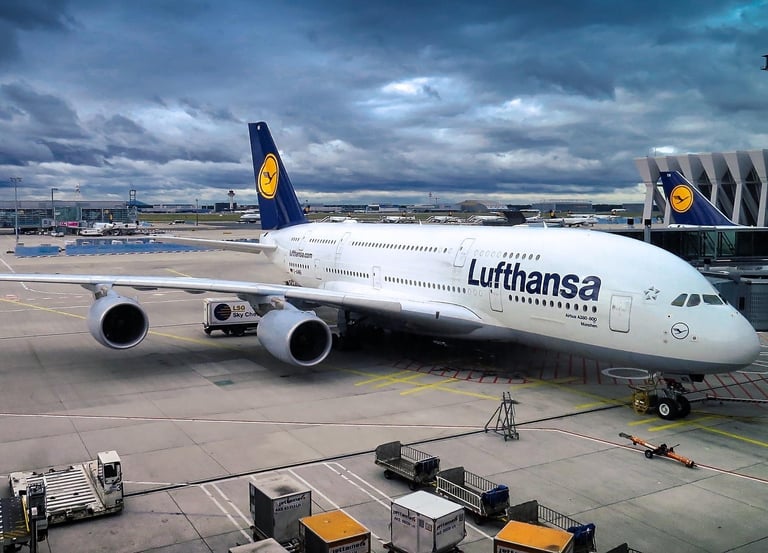
Travel journalist Simon Calder gave a practical example: Lufthansa currently runs ten flights a day between London Heathrow and Frankfurt. “In the middle of summer there aren’t many business travellers around,” he said, “so Lufthansa could say we’re going to cancel two or three of these,” moving passengers from, say, an 08:30 departure to a 10:30 departure. The fuel saved can then be directed to routes with fewer daily options, such as flights from Manchester to Greek islands.
The government has stressed that airlines will still be obliged to get passengers to their destination on the same day wherever possible, and all existing passenger rights – including rerouting, refunds, care and assistance, and potential financial compensation – remain in place. However, fuel shortages may eventually be classified as “extraordinary circumstances”, which could affect compensation claims.
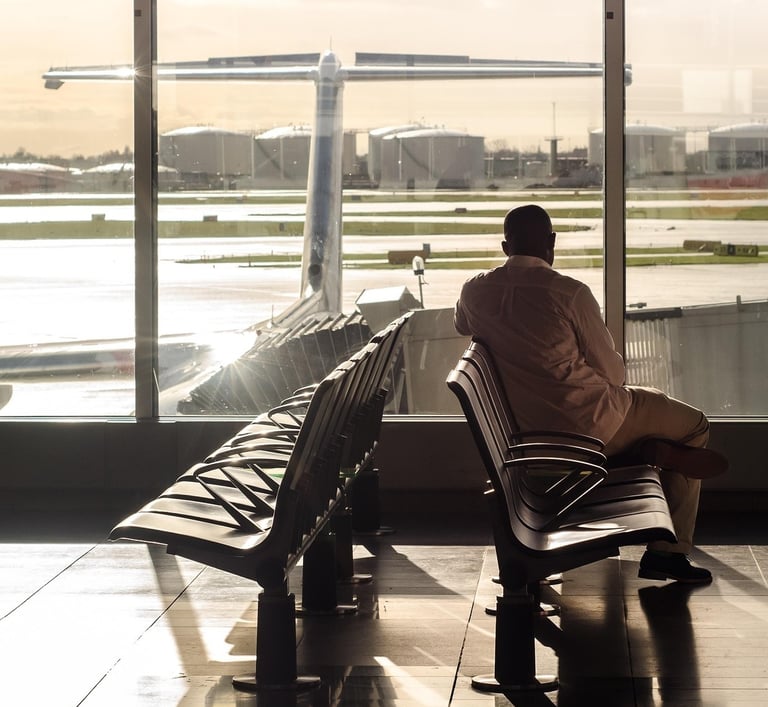
Airlines UK, the industry trade body, has welcomed the move. Chief executive Tim Alderslade said the plan allows carriers to “avoid unnecessary flying and continue operating as efficiently as possible while protecting connectivity for passengers and trade”. The government is also exploring other measures, such as allowing a US specification of fuel (Jet A) to be used in the UK, and has asked domestic refineries to maximise production.
Background: Why the new rules are needed
The contingency plans come as Europe edges towards a potential jet fuel crisis. Following the closure of the Strait of Hormuz amid the conflict in Iran, jet fuel prices have more than doubled, and the UK – which imports about 65% of its jet fuel – is seen as particularly vulnerable.
A Goldman Sachs research report estimates that Europe’s commercial jet fuel stocks are on course to drop below the International Energy Agency’s critical 23‑day shortage threshold sometime in June. Breaching that level does not mean fuel would run out 23 days later, but it signals that global crude and fuel supplies are being rapidly depleted.
Airlines have already scrapped more than 13,000 flights scheduled for May, according to The Times. UK airports have confirmed cancellations on several routes, including London Heathrow to Beijing, Heathrow to Cairo, Manchester to Munich, and Heathrow to Barcelona. Germany has been worst hit, with Munich, Frankfurt and Stuttgart airports seeing significant cuts. Aviation analytics firm Cirium reports that nearly two million seats have been slashed globally.
Lufthansa has cut 20,000 flights from its summer timetable and expects surging fuel prices to cost it €1.7 billion this year. Other carriers – including SAS, Air France, KLM, Air Canada, Delta, EasyJet and Virgin Atlantic – have also trimmed schedules or warned of profit hits. The Financial Times reports that analysts are warning of potential bankruptcies across the industry.
Despite this, the travel agents’ trade body Advantage Travel Partnership has described the cancellations so far as “marginal”, stating that “UK departures, including key summer sun destinations, remain unaffected, so customers can continue to book with confidence”. Airlines UK added that, for now, “UK airlines continue to operate normally and are not experiencing issues with jet fuel supply. We are planning to take our customers on their well‑earned holidays this summer.”


However, Claudio Galimberti, chief economist at Rystad Energy, told Fortune magazine: “We’re still kind of sleepwalking into this approaching disaster. There is little doubt there is going to be a disaster.” The next few weeks will be critical.
All Rights Reserved
© www.affordabletravel4u.com
Travel Info
Travel Advice