

Lufthansa Slashes 20,000 Short‑Haul Flights as Iran War Drives Jet Fuel Crisis
Published by V.S. Journeys
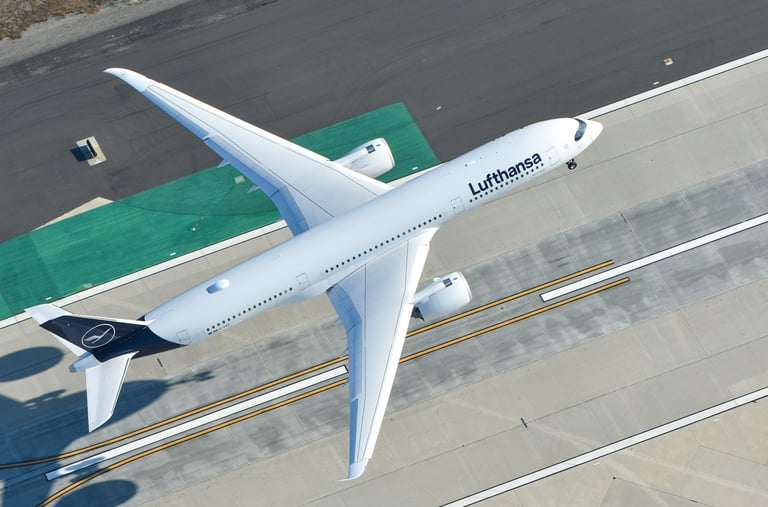
Lufthansa Group has announced it will remove roughly 20,000 short‑haul flights from its schedule through October 2026, a direct consequence of soaring jet fuel prices triggered by the ongoing war between the United States and Iran. The German airline said the move would save approximately 40,000 metric tons of fuel, as costs for kerosene have more than doubled in several markets since hostilities began in late February.
Posted on 3. May 2026
The cancellations, which amount to less than one percent of the group’s total seat capacity, target unprofitable short‑haul routes operating out of its two main German hubs: Frankfurt and Munich. At the same time, Lufthansa plans to expand capacity on existing routes from its other European hubs in Zurich, Vienna, and Brussels to partially offset the reductions. Operations at Rome’s ITA Airways hub remain unchanged for now.
First Wave Already Underway
The first round of cancellations took effect on April 20, with 120 daily flights removed from the schedule through the end of May. Affected passengers have already been notified. Three destinations have been temporarily cut from Frankfurt operations: Bydgoszcz and Rzeszów in Poland, and Stavanger in Norway. A further ten routes previously served from either Frankfurt or Munich will be rerouted through other Lufthansa Group hubs, including Zurich, Vienna, Brussels, and Rome. Those destinations are Heringsdorf, Cork, Gdańsk, Ljubljana, Rijeka, Sibiu, Stuttgart, Trondheim, Tivat, and Wrocław.
Lufthansa said it will publish its full revised summer schedule in late April or early May, with further network optimisations to follow. The goal, according to the company, is to ensure schedule stability across the peak summer season.


Why Fuel Prices Have Spiralled
The crisis stems from the standoff in the Strait of Hormuz, a vital waterway through which roughly one‑fifth of the world’s oil and liquefied natural gas normally passes. The US‑Israeli war on Iran, which began on February 28, has severely disrupted shipments from the Middle East. European carriers are particularly vulnerable because jet fuel is one of their largest expenses, and around 75 percent of Europe’s imported jet fuel comes from that region.
The global price of jet fuel surged from about $99 per barrel at the end of February to as high as $209 a barrel in early April, according to the Associated Press. In Europe, prices reached a record $1,840 per metric ton. For travellers, this has already meant fewer flight choices and higher fees heading into summer, with many airlines adding fuel surcharges or raising checked bag fees.
Lufthansa’s Fuel Strategy and Constraints
Lufthansa entered the crisis with roughly 80 percent of its 2026 fuel consumption hedged at pre‑conflict crude prices. However, the company has paused new hedging activity since the war began. The remaining unhedged share, combined with a widening refining gap between crude oil and finished jet fuel, has still left the group exposed to significantly higher costs. According to Lufthansa, the airline has managed to guarantee its jet fuel supply for the immediate future by blending direct purchasing with previously arranged hedging contracts, although it chose not to offer specifics.
Last week, Fatih Birol, who leads the International Energy Agency, cautioned that Europe’s remaining jet fuel might last only around six weeks, and that flight disruptions could occur in the near future if oil shipments stay suspended—even with a temporary truce in place between Iran and the United States. The EU’s top energy official, Commissioner Dan Jørgensen, added that the war is costing Europe around 500 million euros ($600 million) each day, and that governments “are very worried” about lasting shortages.
CityLine Shutdown and Broader Industry Impact
The flight cuts come just days after Lufthansa confirmed it would permanently ground its 27‑aircraft regional subsidiary, Lufthansa CityLine, effective April 18. The decision had been under consideration before the Iran conflict, but the fuel crisis forced the move to be implemented earlier than planned.
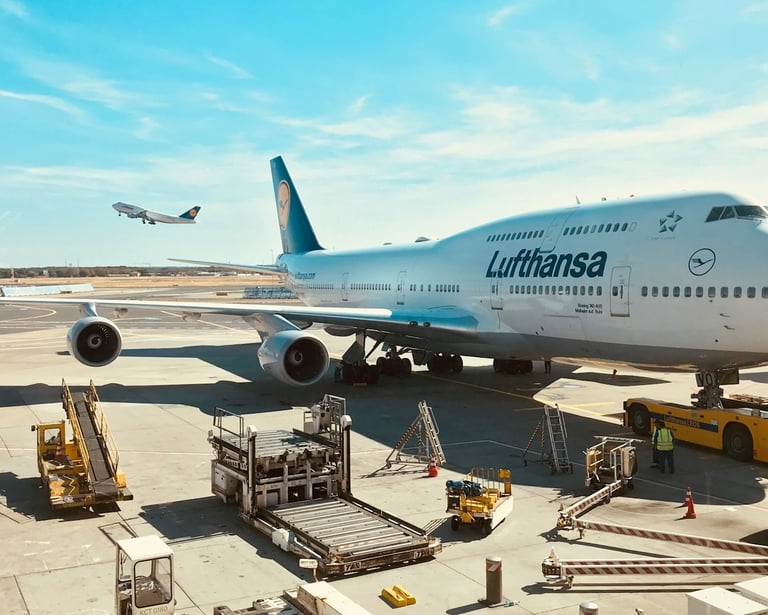
CityLine’s exit has left a significant gap on regional feeder routes, and the newly announced cancellations formally bake that reduction into the summer schedule without backfilling with other group airlines or wet‑leased aircraft.
Lufthansa is not alone in trimming its network. Scandinavian carrier SAS has cancelled roughly 1,000 flights in April after entering the year with zero fuel hedging. Ryanair has warned of potential supply disruptions across Europe from May onward, and Italian aviation authority ENAC has reported jet fuel shortages at four domestic airports over the Easter travel period.
Meanwhile, European airlines and regulators are increasingly turning to the United States to replace lost Middle Eastern volumes. American jet fuel shipments to Europe are projected to reach close to 200,000 barrels per day in April 2026. But as the EU’s energy commissioner cautioned, the crisis could impact prices for months “or maybe even years” to come.
All Rights Reserved
© www.affordabletravel4u.com
Travel Info
Travel Advice