

Ryanair to Close Berlin Base, Citing Soaring Costs and Fee Hikes
Published by V.S. Journeys
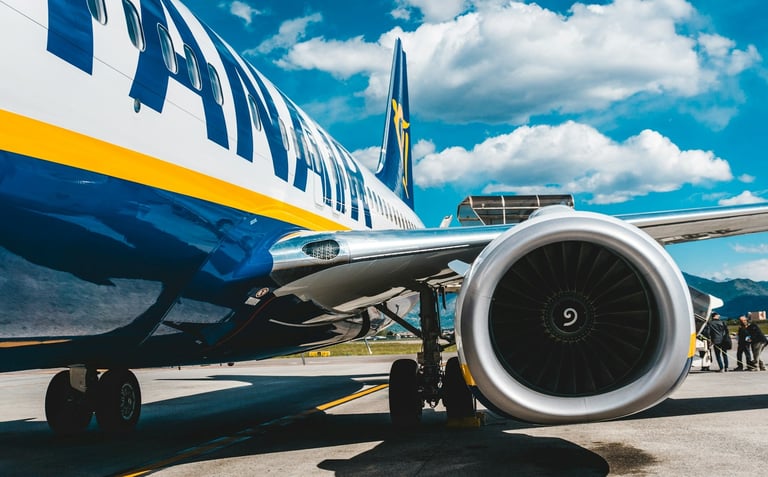
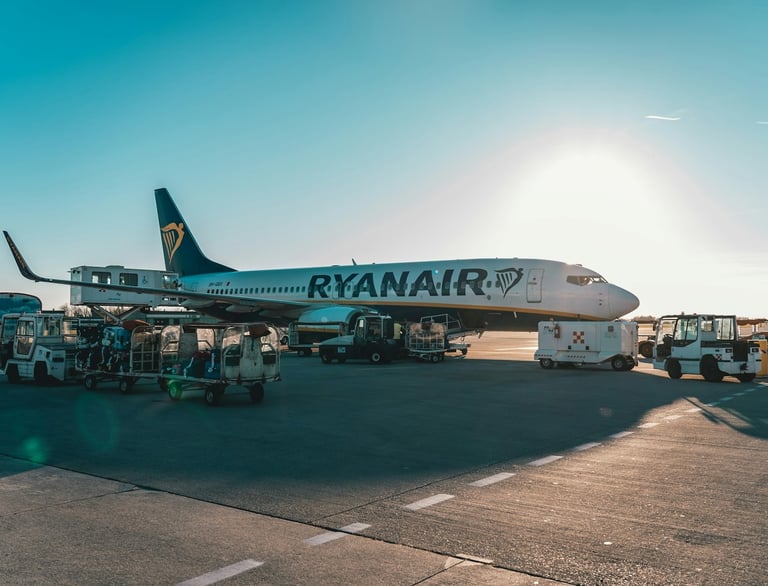
Ryanair has announced it will shut down its base at Berlin-Brandenburg International Airport (BER) from October 24, 2026, blaming a sharp rise in airport charges and an increasingly uncompetitive operating environment in Germany. The decision will see seven aircraft relocated to other European bases, particularly in countries that have recently lowered aviation taxes and fees, such as Sweden, Italy, Albania and Slovakia.
Posted on 2. May 2026
The Irish low-cost carrier will also slash its Berlin flight schedule by 50% for the winter 2026‑27 season, with passenger numbers expected to fall from around 4.5 million to just 2.2 million in 2027. While Ryanair will continue to serve Berlin using aircraft based elsewhere in its network, the scale of its operations will be significantly reduced.
In a press conference held in the German capital, Ryanair CEO Eddie Wilson and Chief Commercial Officer Jason McGuiness were highly critical of BER’s management. They pointed to a 10% increase in airport fees for the 2027‑2029 period as the final straw. According to the airline, total airport charges at BER have risen by roughly 50% since 2019, with some individual levies more than doubling. The executives also criticised Germany’s high aviation taxes, security fees and air traffic control costs, arguing that these have undermined the country’s competitiveness.


Wilson labelled Berlin “the worst recovering airport in Europe” since the pandemic, noting that traffic at the German capital’s gateway has dropped by 27% compared to 2019 figures – from 36 million passengers in 2019 to around 26.1 million in 2025. Other carriers, including Lufthansa, easyJet and Norwegian, have also reduced their capacity significantly.
The Ryanair bosses also took aim at BER’s night flight curfew, which they claimed limits aircraft utilisation. They noted that this is the fourth base closure in Germany for the airline, which now operates 20 fewer aircraft in the country than it did in 2019. Around 210 pilots and crew based in Berlin will be offered transfers to other Ryanair bases across Europe.
In a striking analogy, Wilson compared Berlin airport to a hotel with plenty of empty rooms that chooses to raise rates rather than lower them to attract more guests. He described BER as a “white elephant” – a reference to the facility’s notoriously delayed and over-budget construction process. The executives also warned that the closure could push up costs for remaining airlines at the airport, as BER may need to spread its fixed expenses across fewer operators.
Despite the withdrawal, Ryanair says it remains open to returning to Berlin, but Wilson stressed that this would depend on the airport’s management recognising the need for a more competitive environment.
Airport Responds
Berlin Brandenburg Airport has reacted with surprise to Ryanair’s announcement. In a social media post, BER denied any intention to raise airport charges and pushed back against the airline’s claims, stating that its fees are actually in the European mid‑range. Still, the airport admitted that the German aviation industry faces ongoing struggles due to broader financial pressures, not least of which are state-imposed taxes and fees.
A spokesperson described the capacity cuts as “very regrettable” for passengers but highlighted continued growth from other carriers such as Eurowings and Wizz Air. The airport also noted that Ryanair is currently building a maintenance hangar at BER, due to open in August.
O’Leary’s Blunt Verdict
Speaking earlier this week, Ryanair Group CEO Michael O’Leary was characteristically blunt. “Germany is the least productive economy in Europe,” he said. “In terms of aviation, it is the most expensive aviation economy, it has the highest aviation taxes, the highest ATC fees and the highest airport fees.” He added: “Berlin is just a waste of time.”
Germany has recently taken a small step to ease cost pressures, with the federal government approving a reduction in air passenger taxes from July – cutting taxes by up to roughly €11 per passenger depending on route length. But for Ryanair, that move has come too late to salvage its Berlin base.
During the winter 2025‑26 season, Ryanair offered around 958,000 departure seats from BER across 38 routes, holding a 16% market share as the airport’s largest carrier. The base closure will mean the loss of ten routes, but affected staff have been notified and consultations are set to begin, with relocation opportunities on offer.
For now, Ryanair’s seven‑aircraft base at Berlin’s main airport will disappear in late October – a stark sign of the turbulent relationship between the airline and Germany’s struggling aviation hub.
All Rights Reserved
© www.affordabletravel4u.com
Travel Info
Travel Advice