
Sintra to Nazaré: Charming Palaces to Epic Waves
Published by V.S. Journeys
Portugal has a way of making you feel like you’ve stumbled into someone else’s dream. My latest trip twisted from the misty, sugar-spun hills of Sintra to the raw, wave-lashed cliffs of Nazaré, and the thing I remember most isn’t the postcard views — it’s the burning in my calves after a wrong turn in a forest, the salt caked on my camera lens, and the jarring clash of pilgrim silence and souvenir stalls. Here’s how it all unravelled, plus the flight tips, price ranges and places I actually slept.
Sintra: Palaces, Sweat and a Few Dead Ends
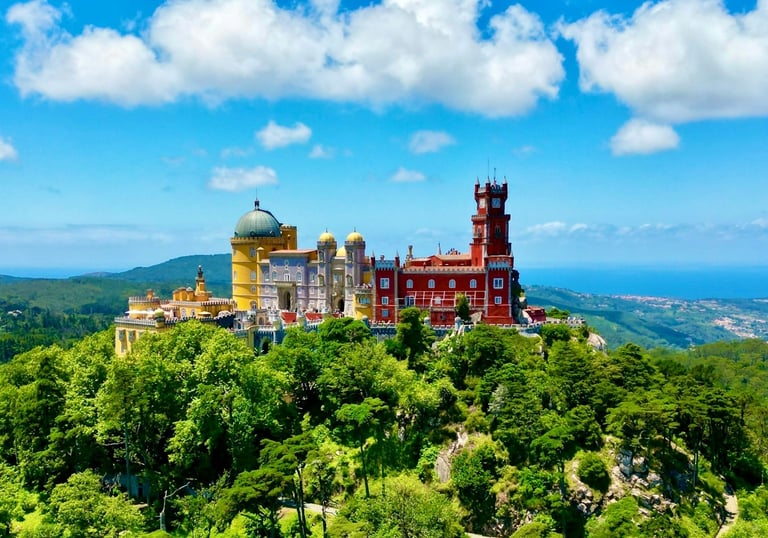
Sintra sits just 40 minutes by train from Lisbon, but the fog that clings to its hills makes it feel like another planet. I’d seen the photos of Pena National Palace — all mustard-yellow turrets and terracotta battlements — and assumed it would be easy to reach. In reality, the car park was chaos, the ticket queue snaked down the road, and I almost bailed before reaching the gate. Once inside, though, the place truly is a fever dream. Gothic ramparts collide with Manueline flourishes, and the views over cork-oak forests to a glittering Atlantic are worth every overpriced coffee you’ll buy while waiting. A tip that’s now tattooed on my brain: book online and arrive before 9:30am.
Right next door is Pena Park, more a fairytale kingdom than a garden. I took what I thought was a shortcut between mossy grottoes and ended up thigh-deep in ferns, completely turned around. The trails demand proper shoes and a bit of patience, but stumbling on a hidden waterfall with nobody else around felt like a genuine secret.
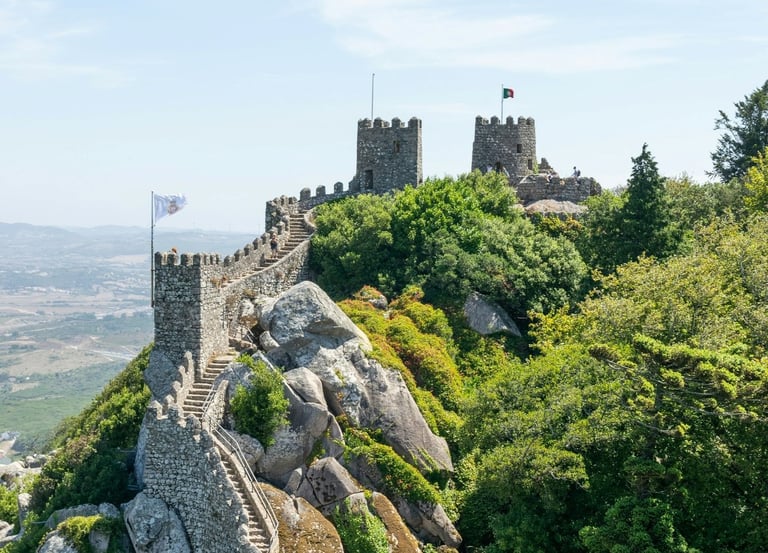
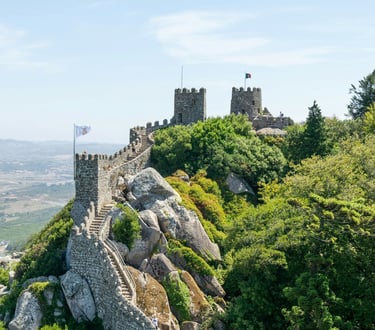
The climb to the Moorish Castle starts in the old town square and just keeps going. Steps, then more steps, my heart thumping in the thin mountain air. The castle’s crumbling walls snake along the ridge like a spine, and the wind up top nearly ripped my hat off. Whole families were perched on the ramparts eating sandwiches while the valley unspooled below — it’s a hike, but one I’d do again in a heartbeat.
Back in the centre, the Sintra National Palace is easy to spot: two colossal, 33-metre kitchen chimneys poke up like something from a fable. Inside, the mix of Moorish arches, Gothic windows and intricate azulejo tiles tells eight centuries of royal life. It’s quieter than Pena and all the better for it.
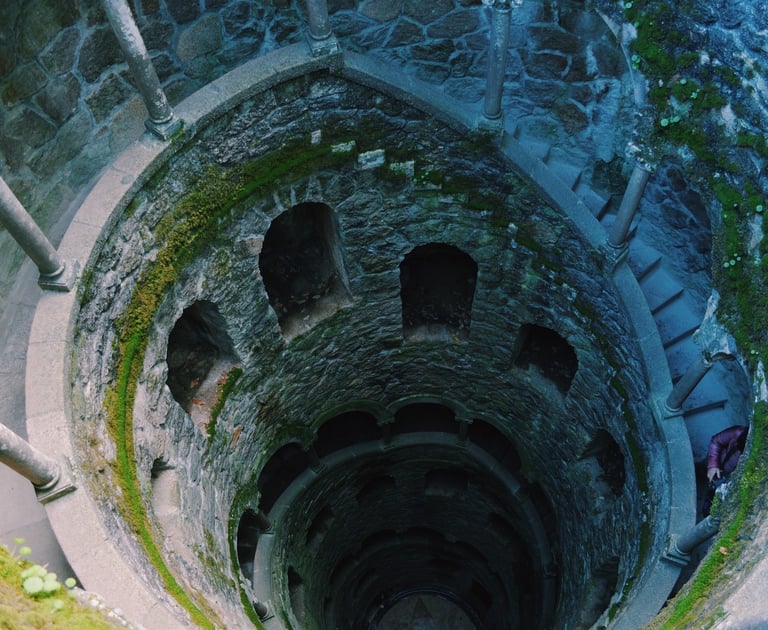
Then there’s Quinta da Regaleira, a place that genuinely messed with my head. Hidden tunnels, coded symbols, and a well that isn’t a well but a spiral staircase plunging into the dark. The Initiation Well drips with moss and mystery; walking down it feels like descending into another world. I still don’t fully understand what it was built for, and that’s exactly why I loved it. Out in the sun again, the white fantasy of Monserrate Palace offers intricately carved arches and botanical gardens that hum with dragonflies. I lay on a bench near a gurgling fountain for half an hour and let the jetlag wash out of me.
*Pena Palace & Park, Moorish Castle, Sintra National Palace, Quinta da Regaleira, Monserrate — all within a 15-minute drive of one another. Car parks are signposted, but fill up early; the Parques de Sintra-Monte da Lua lots are the safest bet.
Where the Land Ends — and My Lens Nearly Did
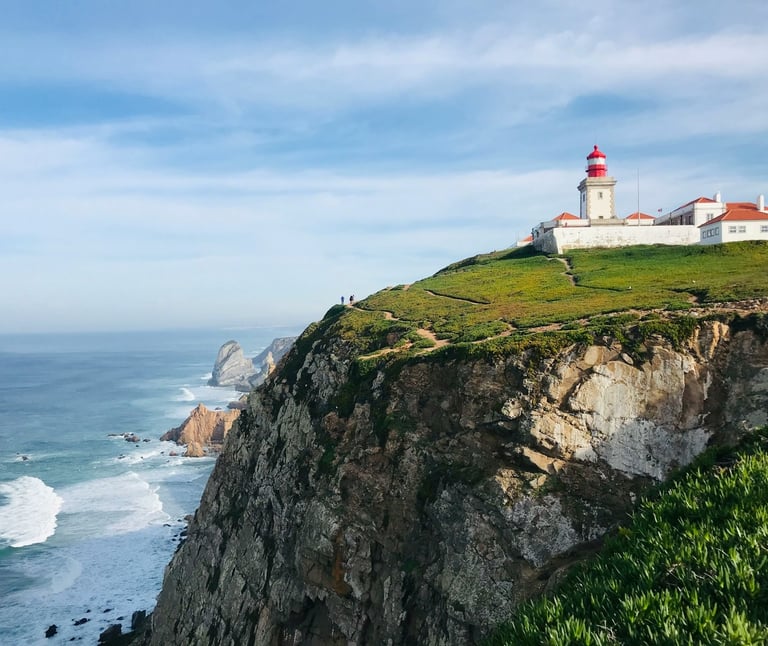
A short, windy drive westward takes you to Cabo da Roca, mainland Europe’s most westerly point. I’d imagined a contemplative moment. What I got was a wall of wind so strong it coated my sunglasses in salt spray in seconds, and nearly sent my camera skittering over the cliff edge. The squat lighthouse sat stoic, and a handful of tourists huddled by the café with pastéis de nata. It’s raw, loud, and deeply, brilliantly inhospitable — I loved it more than I expected to.
Mafra, Ericeira, Peniche: Quick Dips
An hour’s drive north, Mafra National Palace is monstrously big — 1,200 rooms, a basilica, and a library that made me audibly gasp. I only had an hour because I’d misjudged the map, and it felt like skimming ten pages of a thousand-page novel. If you go, give it at least half a day; the Baroque opulence deserves a slower eye.

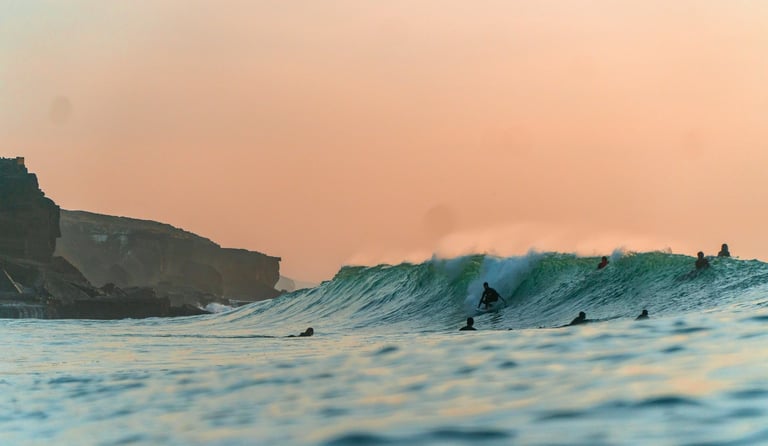
Ericeira was where I felt briefly like a fraud. World-class surfers, bronzed and impossibly cool, padded down lanes while I nursed a coffee in slightly damp trousers. The town itself charmed me: laundry flapped between balconies, bakeries pumped out warm bread, and Praia dos Pescadores was calm enough for a swim. Up the coast, Peniche mixes a 16th-century fortress (built to fend off pirates) with a surfer’s paradise. I’d planned to hop to the Berlengas Islands, but the sea was too rough — a reminder that in this corner of the Atlantic, the ocean calls the shots. Book the boat trip online, especially in summer.


Medieval Pauses: Óbidos, Fátima, Batalha
Driving inland felt like flicking through chapters of Portuguese history. Óbidos is a walled gift of a town; I walked the ramparts as the afternoon light turned the whitewashed houses gold, then drank ginja served in a tiny chocolate cup and bought a second-hand poetry book from a shop that smelled of old paper. It’s precisely as pretty as everyone says, but the real joy is lingering after the day-trippers leave.
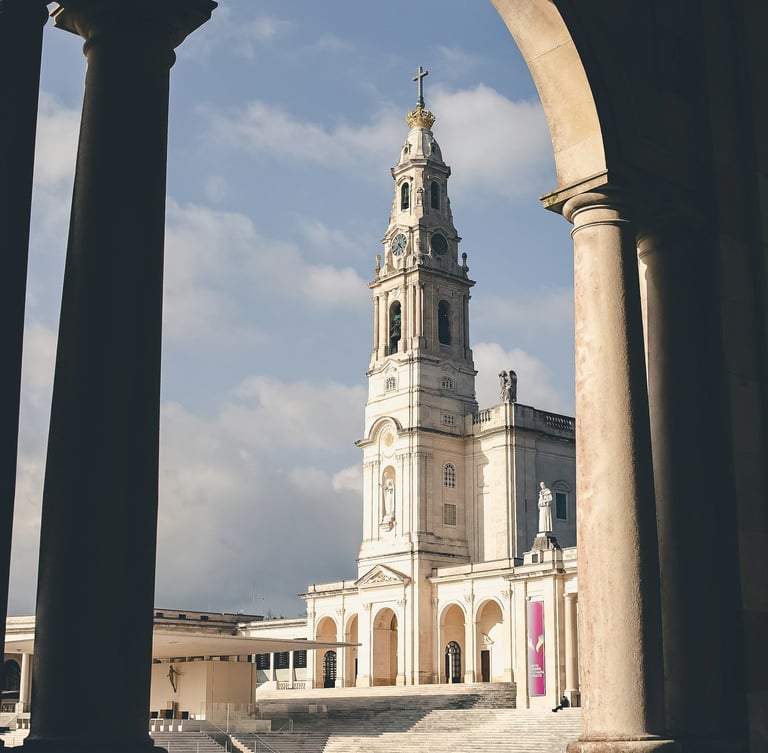
Fátima hit differently. I’m not religious, but the sheer scale of the Sanctuary — and the quiet intensity of pilgrims walking on their knees — was humbling. A few metres away, stalls sold Virgin Mary snow globes and plastic rosaries. That strange, jarring contrast stayed with me more than any single building.
Then Batalha, where I ducked into the monastery almost by accident. The Unfinished Chapels, open to the sky, caught the late sun in a way that made the stone feel alive. I had the place nearly to myself, and my footsteps echoed in the Gothic vaults for what felt like minutes.
Free or cheap parking was easy to find at all three; I parked in the public lots just outside the walls or on the edge of the sanctuaries without any fuss.
Nazaré: Laundry, Sardines and the Ocean’s Full Throat
Nazaré isn’t quiet. It smells of grilling fish and salt, and the main beach is a joyful jumble of striped umbrellas, families, and football games on the sand.
I swam in the gentle shore break and then took the funicular up to Sítio, the clifftop old quarter. Elderly women sold dried fish from plastic crates while surf-brand hoodies flapped on clotheslines — a weird, wonderful snapshot I’ll never forget.
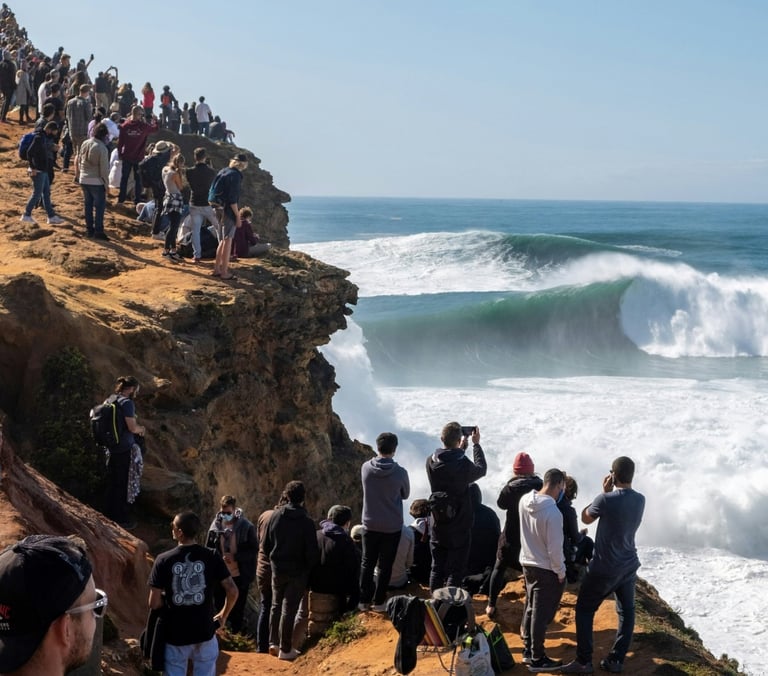
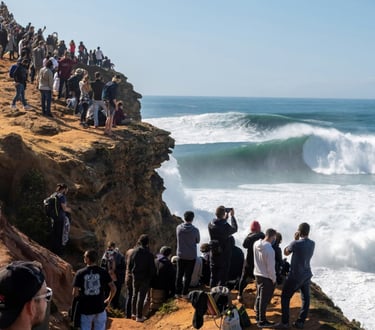
The reason Nazaré is famous, though, sits just past the São Miguel Arcanjo Fort. An underwater canyon funnels swells into walls of water that can top 30 metres. I stood at the view point as a set rolled through, and the base note of it — a deep, chest-thumping roar — vibrated through the stone beneath my feet. The biggest waves only really fire in winter, and I’d missed a giant swell by two days. That slight sting of bad timing felt fitting. The Atlantic doesn’t perform on demand.
Don’t attempt to swim near the canyon side; currents are deadly. The fort’s small museum tells the big-wave story, and the view point is free and open year-round.
When to Go & What It Costs to Get There
I’ve done this trip in late September, when the summer crowds had thinned and the Atlantic was still warm enough for a quick plunge. April–June and mid-September to early October hit a sweet spot of sunshine, lower prices, and manageable queues. Winter (November–February) brings the monster waves and empty palaces, though some attractions keep shorter hours.
Lisbon is your gateway, and flights from across Europe are pleasingly cheap if you book ahead. I flew from London on a Tuesday for £42 return (hand luggage only, Ryanair). As a rough guide for return fares:
London — £45–£160
Paris — €65–€190
Madrid — €35–€110
Berlin — €80–€210
Amsterdam — €85–€220
Booking 6–8 weeks ahead and avoiding Friday evenings will get you the best prices. If you’re hiring a car, pick it up from Lisbon Airport; the roads are good, and public transport thins out once you leave the Sintra–Lisbon axis.


Where I Actually Slept
I’m picky about beds, but every one of these had a reason to stay.
Sintra — Casa Miradouro: A tile-floored guesthouse with a knockout view of the palace. The owner left me a jar of homemade fig jam at breakfast. Doubles from €95/night.
Budget: Nice Way Sintra Hostel, dorms from €25, privates from €70.Ericeira — You and the Sea: A surf lodge where I fell asleep to the sound of the ocean and woke to a rooster that clearly had no regard for holiday lie-ins. Doubles from €85.
Splurge: Immerso Hotel, cliff-top spa and infinity pool, doubles from €160.Óbidos — Casa das Senhoras Rainhas: Small, quiet, and a short stumble from the walls. Doubles from €100.
Castle dream: Pousada Castelo de Óbidos, doubles from €180, if you want to sleep inside history.Nazaré — Hotel Maré: Clean, bright, a flip-flop’s throw from the beach. Doubles from €75. I kept the window open and let the waves be my white noise.
For Accommodation Ideas, Explore the Map Below
I left Nazaré with salt stiffening my hair and the hum of that canyon still somewhere deep in my chest. Sintra had given me gilded staterooms and secret staircases; Nazaré gave me an ocean that didn’t care whether I was impressed or not. And somewhere between the palaces and the spray, I forgot to check my phone for three days straight. That, more than anything, is probably the real reason I’ll go back.
All Rights Reserved
© www.affordabletravel4u.com
Travel Info
Travel Advice