

Ryanair Cuts 700,000 Seats and Cancels 12 Winter Routes Amid Greek Airport Fee Dispute and Rising Fuel Costs
Published by V.S. Journeys
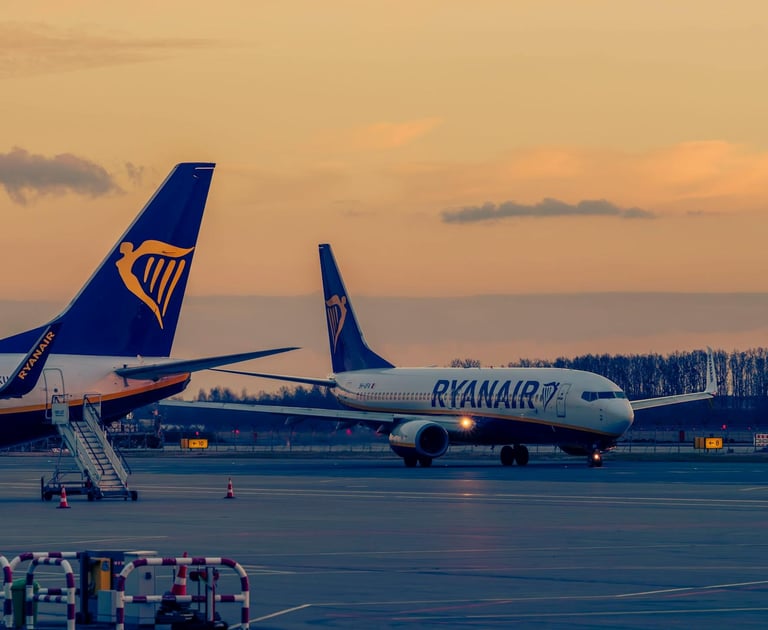
Ryanair has dealt a significant blow to winter travel across Europe, announcing the removal of 700,000 seats and the cancellation of 12 routes. The decision will also see the airline close two of its airport bases on the Greek island of Crete for the off‑peak season.
The cuts, confirmed for winter 2026, centre on Ryanair’s three‑aircraft operation in Thessaloniki, which is being shut down entirely. Additional reductions are being made at Athens Airport. The affected routes span destinations across Germany, Sweden, Italy, Poland, Croatia, Cyprus, and beyond.
Posted on 11. May 2026
Which Routes Are Affected?
The following 12 connections will no longer operate:
Thessaloniki to Berlin
Thessaloniki to Chania
Thessaloniki to Frankfurt‑Hahn
Thessaloniki to Gothenburg
Thessaloniki to Heraklion
Thessaloniki to Niederrhein (Weeze)
Thessaloniki to Poznan
Thessaloniki to Stockholm
Thessaloniki to Venice Treviso
Thessaloniki to Zagreb
Athens to Milan‑Bergamo
Chania to Paphos


In addition, Ryanair is suspending its winter operations at Chania and Heraklion airports on Crete altogether, effectively closing both locations during the colder months.
Why Is Ryanair Pulling Back from Greece?
The airline has been locked in a dispute with German‑run Fraport Greece, which operates several regional airports, and with Athens Airport. At the heart of the row is a 75% reduction in the Airport Development Fee (ADF) introduced by the Greek government back in November 2024. The fee was cut from €12 to €3 per passenger, intended to lower costs and encourage year‑round travel.
However, Ryanair claims that Fraport Greece and Athens Airport have refused to pass this saving on to passengers, instead keeping the difference for themselves. The airline also points out that Fraport has raised charges by 66% compared to pre‑Covid levels, making Greek airports uncompetitive during the quieter winter months.


Ryanair’s Chief Commercial Officer, Jason McGuinness, described the cuts as “devastating” for Thessaloniki in particular, noting that Ryanair had supplied 90% of the city’s international capacity last winter. The airline said it had presented an ambitious growth plan to the Greek government – including ten additional aircraft, 50 new routes, and a $1 billion investment – but that this was conditional on a freeze on airport charges and the full pass‑through of the ADF reduction.
“Regrettably, Greece will continue to miss out on investment opportunities, tourism and traffic development until Fraport Greece and Athens abandon their shameless practice of pocketing this tax cut,” the company said in a statement.
The removed aircraft and capacity will be reallocated to other countries, including Albania, regional Italy, and Sweden, where airports have passed on government tax savings.
Separate Warning from Michael O’Leary: Fuel Crisis Looming
Alongside the route cuts, Ryanair CEO Michael O’Leary has issued a stark warning about rising jet fuel prices, driven by the ongoing conflict in the Iran region and the blockade at the Strait of Hormuz. Fuel costs have reportedly surged from around $80 to $150 per barrel.
Speaking to CNBC, O’Leary said that some European airlines could face bankruptcy if prices remain high through the summer. “We think a number of our airline competitors in Europe are going to face real financial difficulties,” he noted, without naming specific carriers.
Will Ryanair Cancellations Spread to Summer Flights?
Despite the grim outlook, Ryanair insists it is better protected than many rivals. The airline has hedged 80% of its jet fuel needs until March 2027 at a price of roughly £67 per barrel – well below current market rates. A spokesperson confirmed that no summer schedule cuts are planned at this stage.
For now, the winter 2026 reductions stand as a significant loss for Greek tourism and for travellers seeking affordable off‑peak connections. But Ryanair’s broader warning about fuel costs suggests the turbulence in European aviation may be far from over.
All Rights Reserved
© www.affordabletravel4u.com
Travel Info
Travel Advice