
Mallorca Adventure Beyond the Resorts: Hiking, Sailing & Hidden Charms
Published by V.S. Journeys
I’ll admit it – I wasn’t sure about Mallorca at first. Like many travellers, I’d only ever heard of its package‑holiday side: big hotels, English pubs, and crowded beaches. But a local’s promise that there was more to the island convinced me to give it a chance. Two weeks later, I was already planning my return. Now, after several trips, I’ve learned that Mallorca has a quieter, more beautiful face – one that rewards those willing to wander beyond the resort strips.
From hidden coves and mountain villages to Gothic cathedrals and underground lakes, here’s how to experience the island’s real charm.
Palma: Where City Energy Meets Mediterranean Soul
Mallorca’s capital, Palma, often gets overlooked by beach‑bound visitors. That’s a mistake. Stepping off the plane, you’re greeted by a warm breeze and a lively buzz that blends history, culture, and modern city life in the most delightful way.
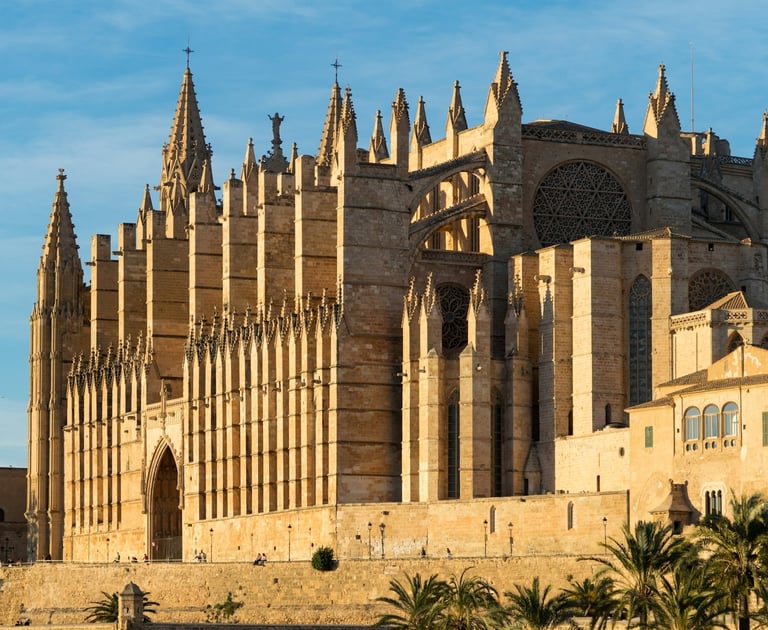
Palma Cathedral (La Seu) is impossible to miss. Perched on the edge of the Bay of Palma, its golden sandstone facade glows in the sun. Inside, the main nave soars 44 metres high – one of the tallest Gothic vaults in Europe. The real showstopper is the enormous rose window, known as the “Gothic Eye,” with over 1,200 pieces of coloured glass that throw a kaleidoscope of light across the stone floor. Bring a camera; photos really don’t do it justice. Entry is €12, or €25 for a combined ticket that includes the roof terraces and museum.
Just outside the city, Bellver Castle lives up to its name – “beautiful view” in Catalan. This 14th‑century circular castle is one of the few in Europe, with three large towers surrounding a central courtyard. The climb up the hill is worth it for the panoramic sweep of Palma Bay and the city below. Admission is €8 (free on Sundays).
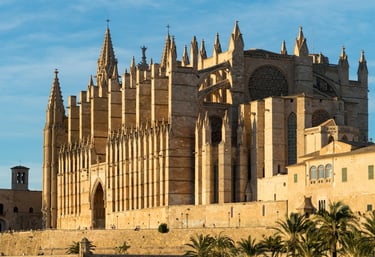


Palma’s Old Town is a labyrinth of narrow, cobbled streets lined with honey‑coloured buildings – free to explore. Pocket your map for a while and just wander. You’ll stumble across the Royal Palace of Almudaina (€8 entry). Plaza Cort, the city’s beating heart, is home to the 17th‑century town hall and the legendary Olivera de Cort – an olive tree planted over 600 years ago. Grab a seat at a pavement cafe, sip a drink, and watch local life unfold.
For a different vibe, head to Santa Catalina, Palma’s former fishermen’s quarter. Its indoor market, Mercat de Santa Catalina, is the oldest food market in the city – a feast of fresh seafood, local produce, and cured meats. The surrounding streets are dotted with lovely restaurants and cafes, perfect for an evening meal away from the tourist crowds.
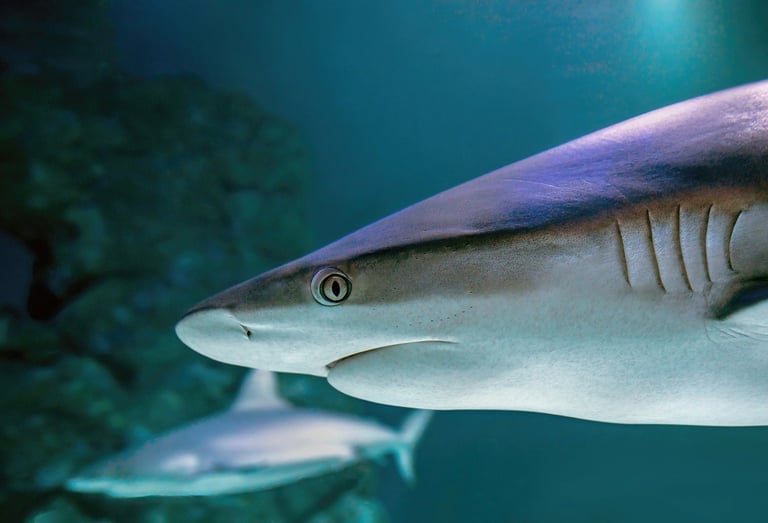
Family‑friendly activity: Palma Aquarium boasts one of the deepest shark tanks in Europe, called “The Big Blue.” Standard entry is just over €34; for the brave, diving with sharks starts at €210.
Quiet Coastal Villages and Hidden Retreats
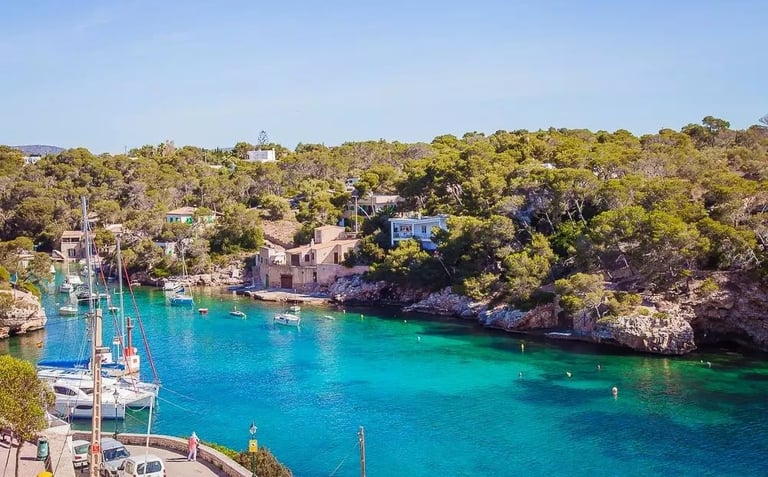
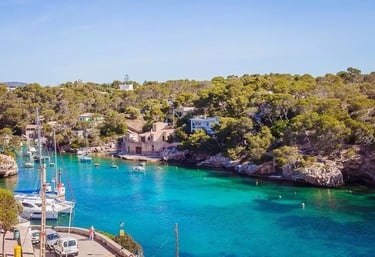
The real magic of Mallorca lies away from the crowded resorts. Cala Figuera became my favourite escape. It’s a working fishing port without a beach, so it feels wonderfully tucked away. The town has a slightly weathered charm – think abandoned buildings and a slow, authentic rhythm. I stayed at Hostal Can Jordi, where the balcony view over the water was the best I’ve had on the island (from about €70 per night). Breakfast wasn’t included, but the local supermarket had tables outside and sold fresh pastries and coffee. For dinner, seek out La Petite Iglesia, a tiny restaurant set in an old church run by a charming French couple – the food was outstanding.
Further north, Colonia de Sant Pere surprised me. It has a proper beach‑holiday feel without being crowded or bland. I stayed at Hotel Solimar, with a beautiful garden and pool – rates from €55 to €100 per night. The woman running it spoke Spanish and German (a little English), and she was eager to help. Breakfast, eaten outside in the garden, was gloriously German – cold cuts, cheese, fresh bread – and the Germans really know how to do breakfast. The sunsets here were the island’s best.
Don’t miss Santanyi, a lovely town with a square lined with restaurants and cafes – perfect for a quiet lunch. And if you’re driving through random villages, stop at Petra for an “ice coffee” – coffee served with vanilla ice cream, a German‑influenced treat that I happily adopted.
For Accommodation Ideas, Explore the Map Below
Mountain Towns and Scenic Drives
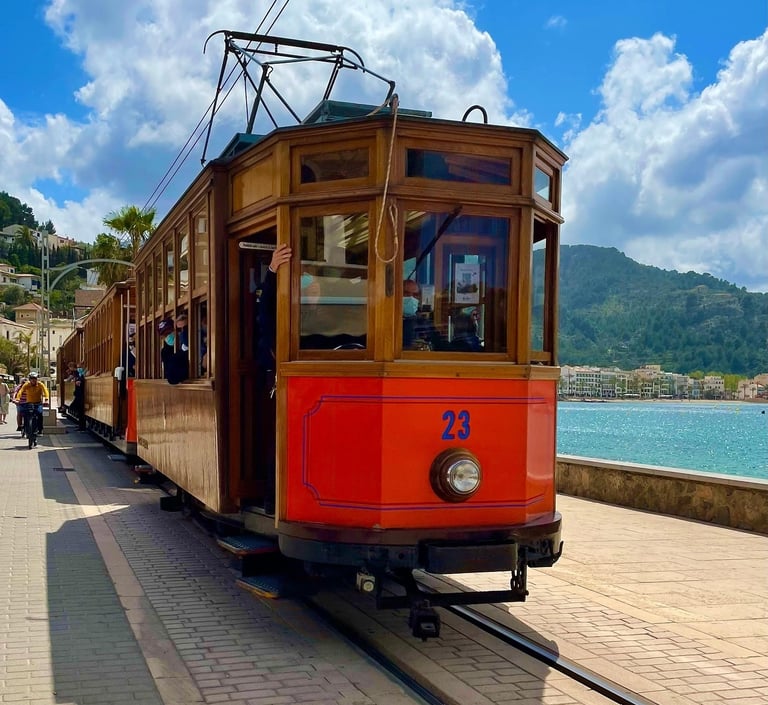
Sóller, nestled in the Tramuntana Mountains, has the prettiest town square I saw on the island. An old wooden tram rattles through the streets down to the port. I stayed at Hotel La Vila, intending to hike, but the sun was so inviting that I ended up doing very little beyond lying on beaches. The mountains are beautiful, though, and the journey from Palma to Sóller on the historic wooden train is a must. A return ticket costs €30 – worth every euro for the hour‑long ride through tunnels, past orange and almond groves, with the Tramuntana peaks growing closer with every turn.
Valldemossa is a mountain village that sings – “Valley of the Muses.” Cobblestone streets wind between flower‑overflowing, honey‑coloured houses. The Royal Carthusian Monastery, a UNESCO site, is where composer Chopin and writer George Sand spent a winter in 1838.
There’s now a museum dedicated to them inside. Entry is around €9. After exploring, reward yourself with local specialities: ensaimada (sweet pastry), sobrasada (cured sausage), and tumbet (vegetable stew), all enjoyed with a view over the valley.
On the way to Sa Calobra, I stumbled upon Jardins d’Alfàbia – a hidden paradise of gardens around a Gothic mansion. Crystal‑clear water bubbles from 18th‑century fountains, palm trees sway, and there’s even a maze. Entrance is €9 (children under 7 free).
Outdoor Adventures and Active Escapes
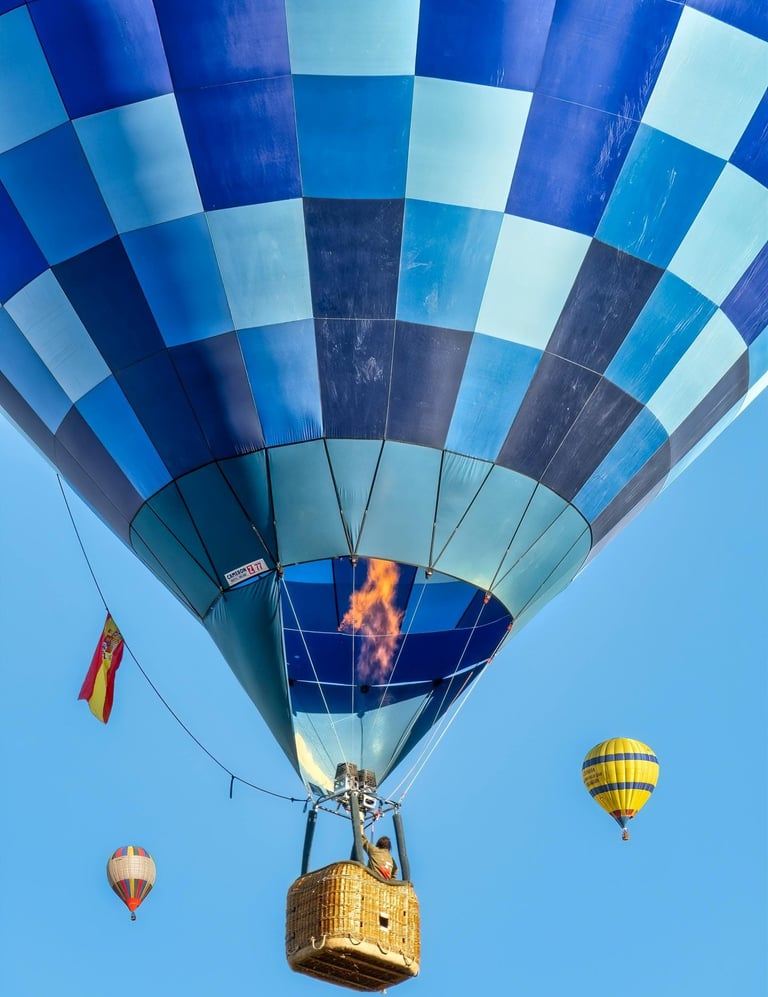
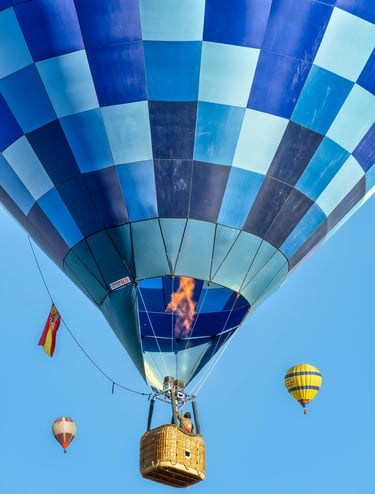
One of my favourite experiences in Mallorca was a hot air balloon ride at sunrise. Despite a fear of heights, the ride was so smooth and peaceful that I felt completely safe. The island from above is stunning. Prices start at €197 per adult (children from €109).
For water lovers, there’s no shortage of options. A jet ski ride costs around €55 for a short session, or €159 for a guided tour. Half‑day boat tours (private) start at about €990, while small group snorkelling trips are around €60–€80 per person. If you’re braver than me, try coasteering – climbing and diving off cliffs – from €70.
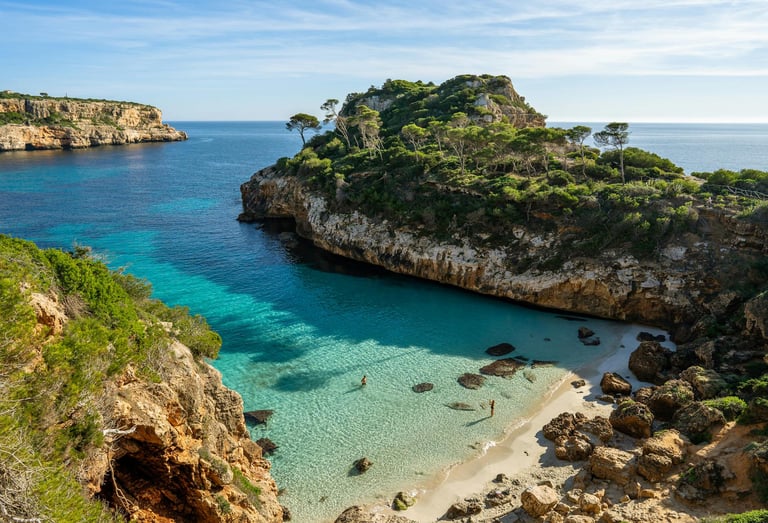
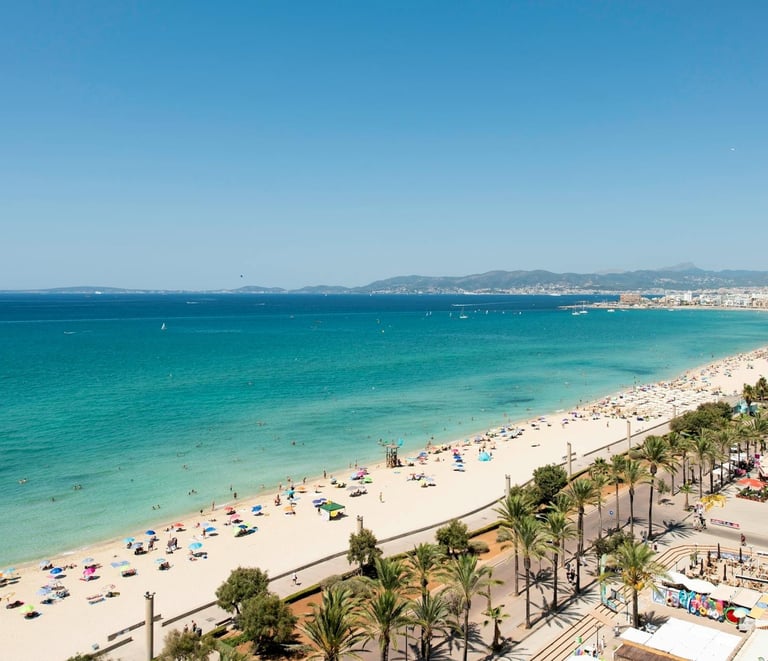
Mondrago Natural Park has some of my favourite beaches. They’re beautiful, busy mostly with Spanish families (at least outside peak season), and there’s a little shack selling drinks and sandwiches. No hotels in sight – just pure, protected coastline. Calo des Moro is arguably the prettiest beach I visited, reached by a short, scenic hike. Spend time exploring the surrounding cliffs as well.
Don’t miss Es Pontàs – a natural arch in the water, reminiscent of Malta’s lost Azure Window. It’s near Cala Figuera and well worth a photo stop.
Underground Marvels and Cave Explorations
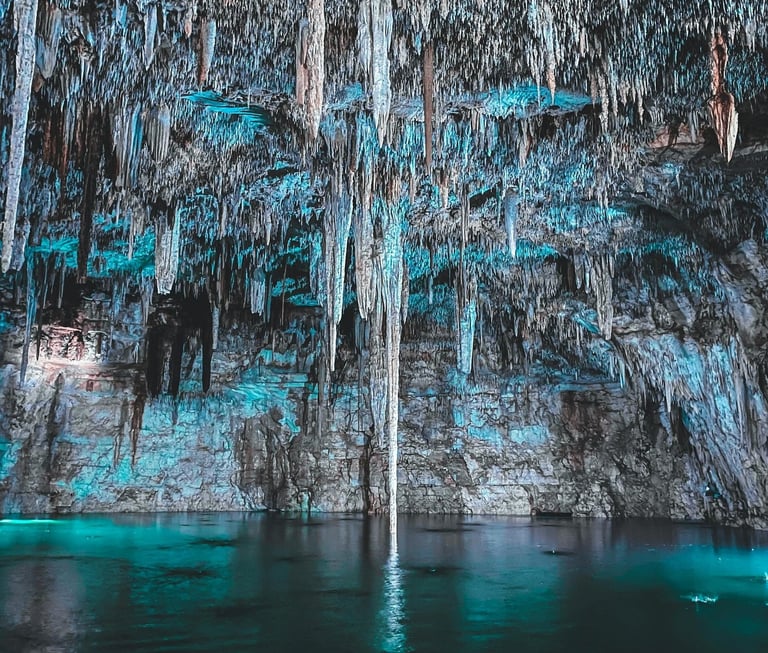
Mallorca hides another world beneath its surface. Drach Caves (Coves del Drach) are massive caverns dripping with stalactites and stalagmites. The real highlight is Lake Martel, one of Europe’s largest underground lakes. A guided tour includes a dazzling light show and a live classical concert performed by musicians on boats floating on the water – an unforgettable acoustic experience. Admission at the official ticket office is €16 for adults, €9 for children (third‑party sites charge more – buy at the door).
Nearby, Hams’ Caves (the “Hook Caves” – Coves dels Hams) feature crazy‑shaped stalactites, a “Blue Grotto” with an alien‑planet light show, and even a hidden “French Garden” inside. Adult entry is €18.50 (children 3‑12: €12.50).
A Final Word on Costs (2026)
A day at the beach now costs a bit more: a single sunbed is €10, two loungers with an umbrella €30. But access to most natural wonders – hiking, viewpoints, village squares – remains gloriously free. With a rental car (around €15–€20 per day) and a mix of affordable guesthouses and picnic meals, you can experience the real Mallorca without breaking the bank.
Mallorca surprised me in the best way. It’s not just a place to lie on a beach (though you can certainly do that). It’s an island of contrasts: Gothic cathedrals and hidden coves, mountain hairpin roads and quiet fishing ports, German‑style ice coffee and Spanish plazas buzzing with life. Whether you come for the hiking, the sailing, or simply to explore its many charms, Mallorca has a way of turning sceptics into annual visitors. I should know – I’m already one of them.
All Rights Reserved
© www.affordabletravel4u.com
Travel Info
Travel Advice