
Tram Rides, Fado, and One Spectacular Fail: Finding the Real Lisbon
By V.S. Journeys
I arrived in Lisbon with a broken suitcase wheel and a hangover from a 6am flight. The taxi driver, a man who looked like he’d been ferrying tourists since before the earthquake, simply pointed at the crumpled wheel and said, “Lisbon hills. Better now.” He wasn’t wrong. By the time I’d dragged my luggage three cobbled streets to the Airbnb, the wheel had combusted completely, and I was already drenched in the kind of sticky, sun-soaked exhaustion that would define the next five days.
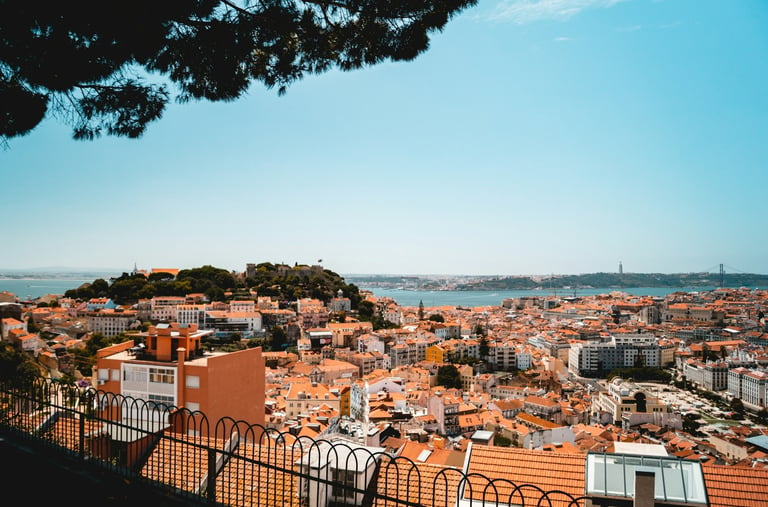
Lisbon isn’t a city that politely introduces itself. It grabs you by the collar, pushes a pastel de nata into your hand, and then makes you walk up a 20% gradient to earn it. It’s a city of hair-raising tram journeys, of fado singers who sound like they’ve lived a thousand sad lives, and of viewpoints that leave you winded — both from the climb and the view. It’s also a city where I got hopelessly lost, overpaid for a tile, and once sat on a bench so long the waiter started bringing me wine without asking. Here’s how that happened.
Alfama: Getting Lost, Deliberately and Not
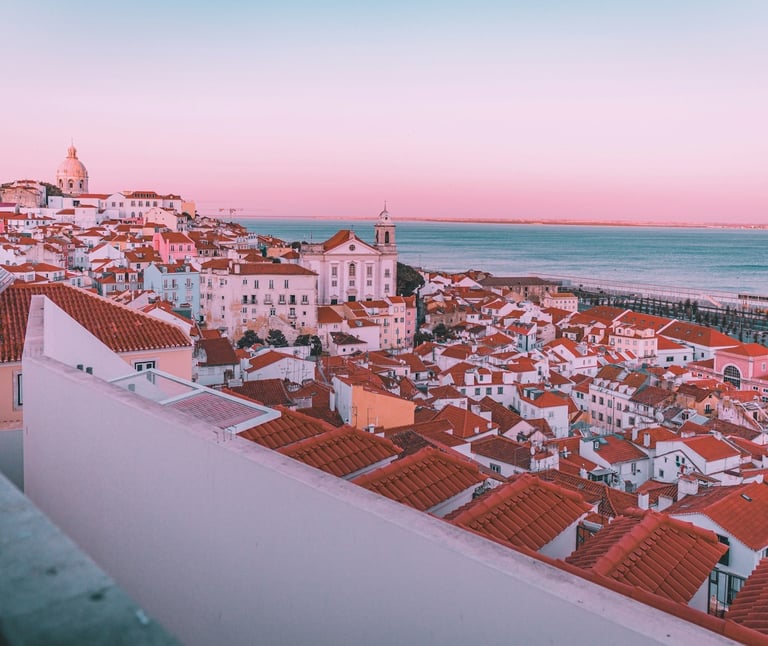
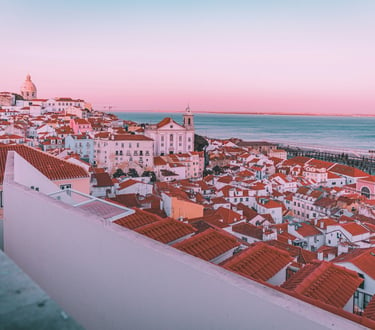
Alfama is the oldest quarter of Lisbon, a maze of alleyways so narrow the sun only visits at noon. Laundry flapped overhead like colourful bunting, and the smell of grilling sardines drifted from a window. I had a map. I ignored the map. Within twenty minutes I was standing in a tiny square watching an old woman shoo pigeons off her doorstep with the same ferocity I’d use for a home invasion. I had no idea where I was, and I didn’t care.
I stumbled upon the Miradouro de Santa Luzia quite by accident. Bougainvillea framed the terrace, and the Tagus River sparkled in the distance like a silver promise. I sat there for an hour, watching a young couple take selfies in the exact spot where, moments later, a pigeon defecated on his shoulder. Lisbon balances the romantic and the ridiculous in perfect measure.
The Sé de Lisboa, the city’s ancient cathedral, loomed suddenly at the end of an alley. Inside, the air was cool and heavy, the stone walls thick with eight centuries of silence and incense. A sliver of Gothic light pierced through a rose window, and for a brief moment I forgot about the blister forming on my heel.
Hills, Trams, and the Stomach-Dropping Ride of Tram 28
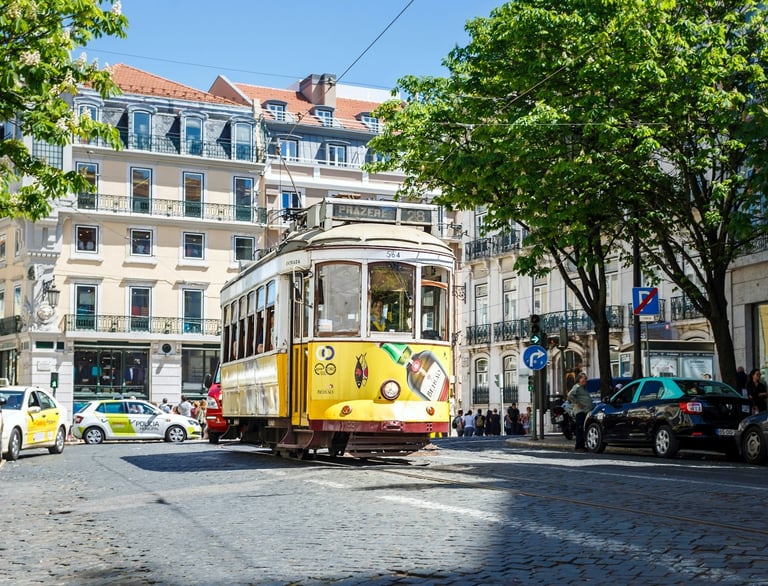
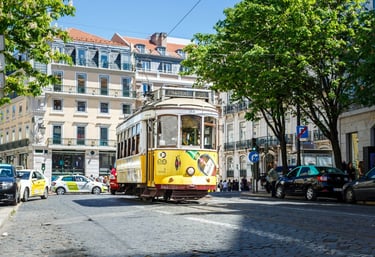
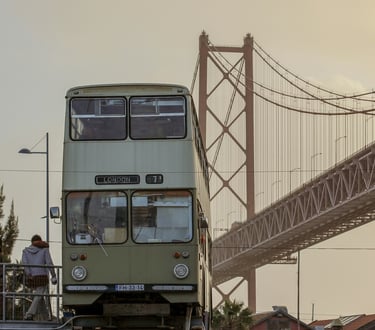
Lisbon’s hills are no joke. You can feel them in your calves, in the way locals power up them without breaking stride, and in the groaning machinery of Tram 28. I boarded at Martim Moniz Square, wedged between a Portuguese grandmother carrying two live chickens (or so it seemed) and a German tourist who had apparently never heard of deodorant. The tram rattled and screeched, careening around corners so sharply I grabbed a stranger’s shoulder. Through the window, the city unfolded like a moving postcard: Alfama’s tiled facades, the grandeur of Chiado, the sudden drop-down to Baixa. Every jolt was a thrill. I got off at Graça, legs shaking, and immediately bought a cold Sagres beer from a tiny grocery store just to recover.
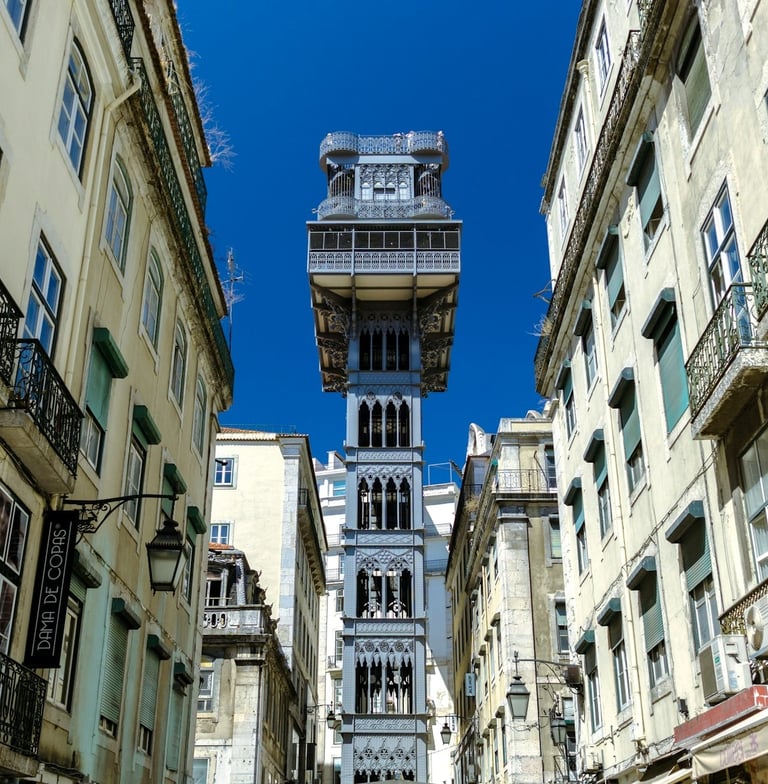
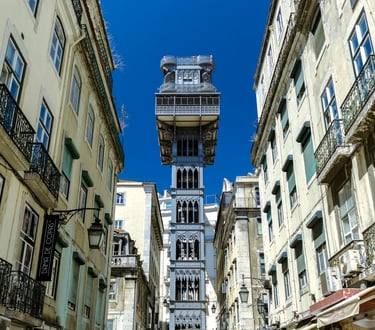
If Tram 28 is the chaotic heart, the Santa Justa Lift is the slightly ridiculous tourist indulgence. I queued forty minutes to ride an elevator. Forty minutes. But the 45-metre ascent delivered a view of the Pombaline grid and the castle that made the trivial act of standing in line feel almost noble. The São Pedro de Alcântara Belvedere nearby was a quieter affair, with buskers playing fado on a guitar and the whole city spread out like a rumpled blanket beneath a pinkening sky.
Belém: Pastéis, Monuments, and a Monastery That Humbled Me
Belém is a riverside district that feels almost too perfect, like a film set designed to make you fall in love with Portugal.
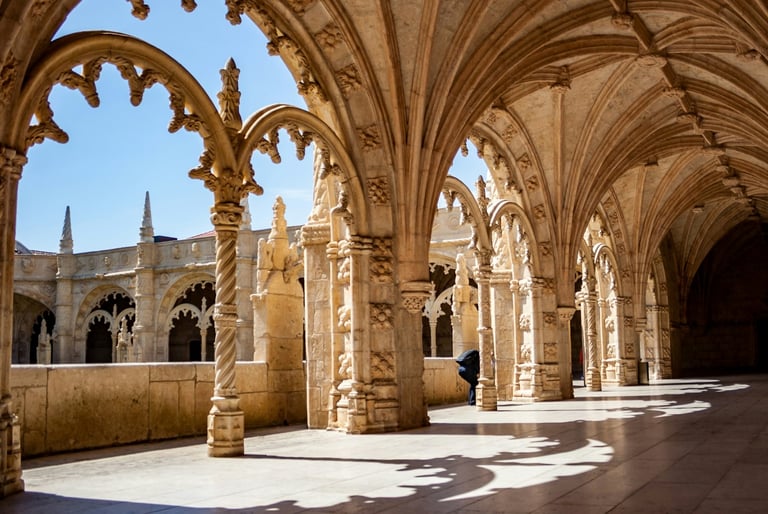
The Jerónimos Monastery stopped my breath. That gargantuan marriage of Gothic and Renaissance, the cloisters dripping with stone filigree, the tomb of Vasco da Gama resting in silence — I walked through the nave feeling very small, which is exactly how cathedrals should make you feel. A security guard had to wave me away from closing time; I’d been staring at a carved column for ten minutes, lost.
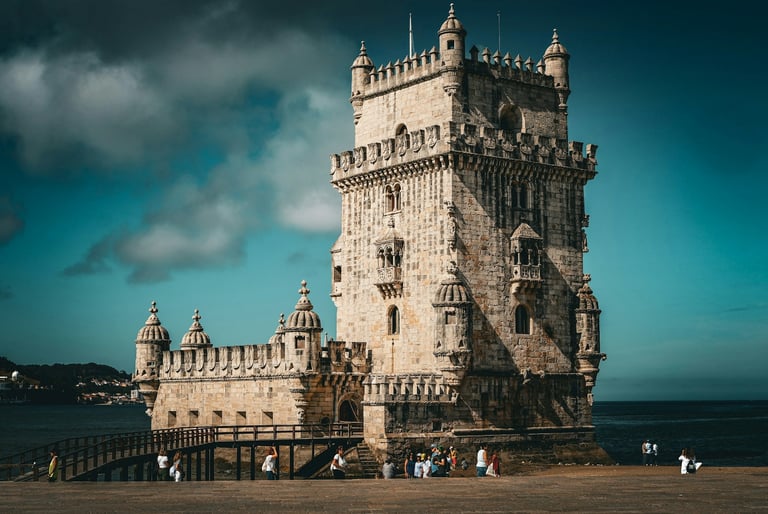
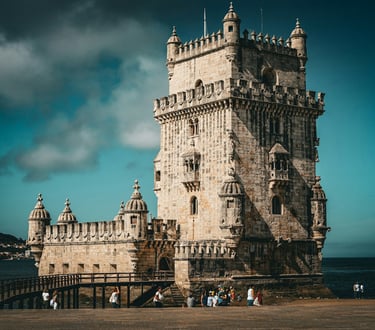
Down the waterfront, Belém Tower jutted into the Tagus like a fantasy fortress. I climbed to the rooftop terrace, and the wind whipped my hair into a state of advanced dishevelment, but the view was the kind you remember years later. Next door, the Padrão dos Descobrimentos stood like a stone ship sailing nowhere, and I took the elevator to the top because, at this point, Lisbon had turned me into a viewpoint addict. I’d pay anything for a panorama. My wallet was now significantly lighter.
But the real reason anyone comes to Belém is the Pastéis de Belém bakery. The queue snaked out the door; I stood behind a Spanish family debating filling flavours as if it were a UN negotiation. The tart itself — flaky, creamy, dusted with cinnamon — was so good I ate three and immediately felt ill. Worth it.
Castelo de São Jorge and the Layers of History
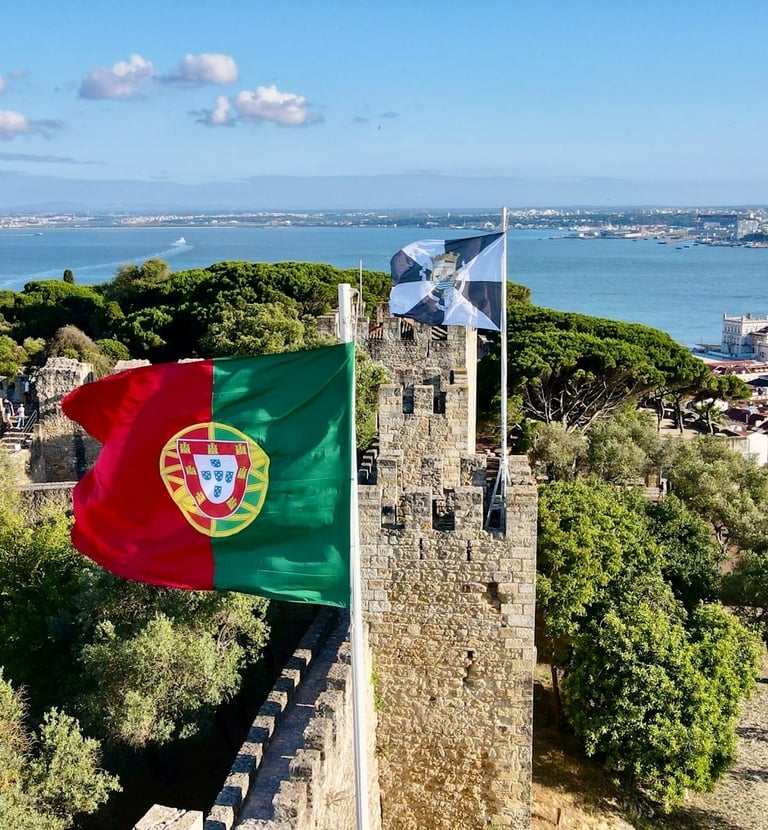
The castle sits on a hill like a crown, its walls thick with Visigothic and Moorish ghosts. I walked the ramparts as peacocks strutted across the grass and tourists snapped photos of the archaeological dig. The view of the red roofs, the river, and the 25 de Abril Bridge was so clear I could see the shadow of clouds moving across the city. I leaned against a battlement and ate a second pastel de nata from a paper bag, and for a moment, everything felt perfectly aligned.
Fado: The Night I Didn’t Understand the Words but Felt Every Syllable
That evening, in a dimly lit bar in Alfama, I paid 10 euros for a seat, a glass of port, and an hour of soul-shredding music. The fadista was a middle-aged woman in black, and when she opened her mouth, the room went silent. I don’t speak Portuguese, but I understood every ounce of saudade — that untranslatable ache for something you’ve lost, or maybe never had. Her voice cracked on a high note, and the man next to me, a weathered local, closed his eyes and pressed a hand to his heart. I still think about that performance. It’s the kind of memory that clings to you like smoke.
LX Factory and the Tile Museum: Art in Unexpected Places
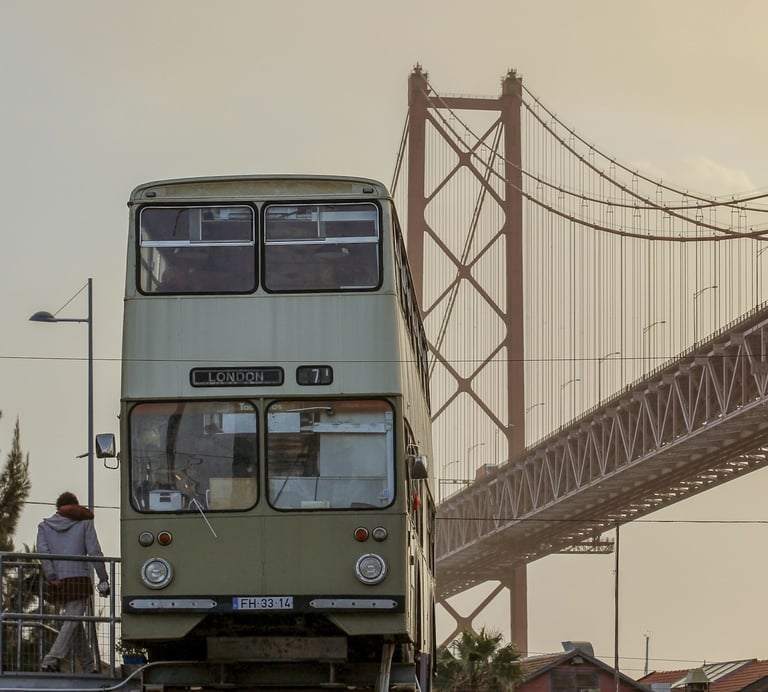
I accidentally spent an entire afternoon at LX Factory, a converted industrial complex under the bridge. Street art covered every surface, and I bought a hand-printed notebook from a woman who told me the design was inspired by an Aztec legend. I later saw the same notebook at the airport for half the price. The café there served vinho verde in a plastic cup, and I sat on a sun-bleached bench and watched a skateboarder ollie over a sleeping dog.
The National Tile Museum was a complete surprise. Housed in the Madre de Deus Convent, it traced the evolution of azulejos from Moorish geometry to Baroque storytelling. The highlight was a 36-metre panel of Lisbon before the earthquake — a sprawling ceramic cityscape that made me genuinely emotional. I later tried to buy a tile in a shop and accidentally haggled up. The vendor looked at me with pity. Lisbon, you sly city.
Cascais: A Day by the Sea
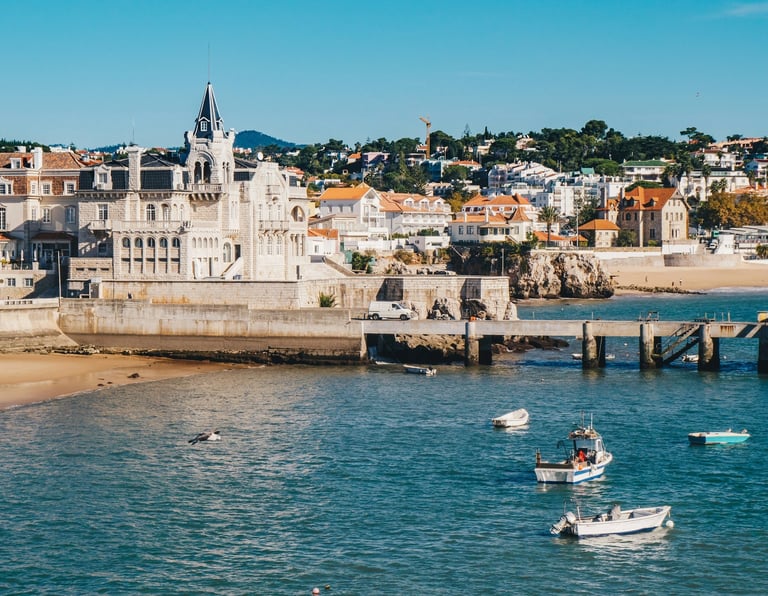
I took a half-hour train to Cascais on a whim, and the Atlantic breeze was a tonic. The old town was absurdly pretty: whitewashed houses, a small fort, and a beach called Praia da Rainha where I fell asleep on the sand and woke up sunburned in the shape of a starfish. Lunch was grilled sardines at a seaside shack; the waiter brought me an extra plate of olives because “you look tired.” The Boca do Inferno, a chasm where waves crash with theatrical fury, provided the perfect dramatic end before I caught the train back, salty and content.
I left Lisbon on a Sunday morning, the city still half-asleep, the Tagus glinting under a hazy sun. My suitcase wheel was now entirely missing, my skin was two shades darker, and I had a ceramic tile wrapped in three layers of socks in my bag (the result of that ill-fated haggling).
Lisbon had worn me out, filled me up, and broken my luggage in the process. I’d eaten more custard tarts than any human should, climbed stairs that would make a mountain goat weep, and listened to a fado singer who cracked open my heart. Some cities ask for your attention. Lisbon demands your legs, your taste buds, and a willingness to get lost. I gave it all. I’d do it again tomorrow.


Practical Details (What I Wish I’d Known)
Best time to visit: Aim for April–June or September–October. Spring brings jacaranda blossoms and mild evenings; early autumn delivers warm sunshine without the August crush. July and August are hot, crowded, and pricier. Winter (November–February) can be damp but offers emptier streets and lower rates.
Getting around: Lisbon’s public transport is efficient if hilly. Buy a Viva Viagem card (€0.50) and load it with a 24-hour public transport ticket (€6.60 for trams, buses, and metro). Tram 28 is iconic but pickpocket-prone — keep valuables zipped. Uber is cheap and abundant; I rarely paid more than €6 for a ride within the city centre. For Cascais, the Lisbon–Cascais train from Cais do Sodré costs just €2.40 one-way.
Safety & tipping: Lisbon is generally safe, but watch your bag in crowded trams and tourist hotspots. Round up the bill in restaurants or leave €1–€2 for good service; tipping isn’t obligatory but appreciated. Bica (espresso) costs less than a euro — carry coins.
Flights from the UK & Europe: Lisbon Portela Airport (LIS) is a major hub. Return fares booked 6–10 weeks ahead typically range from:
London: £40–£180
Paris: €50–€200
Madrid: €35–€120
Berlin: €70–€250
Amsterdam: €80–€260
Budget airlines (Ryanair, easyJet, Wizz Air) dominate the lower end. Flying midweek and in shoulder season saves money.


Where I stayed (and would recommend):
Alfama — São Vicente Guesthouse: A charming, tile-covered building with a rooftop terrace overlooking the river. Doubles from €85/night including breakfast.
Baixa/Chiado — Brown’s Central Hotel: Boutique style, central, and the rooms are quiet despite the buzz outside. Doubles from €120/night.
Bairro Alto — independent Airbnb apartments: Ideal for nightlife, but bring earplugs (the streets party until 3am). From €70/night.
Belém — Altis Belém Hotel & Spa: A splurge with a rooftop pool and Tejo views, minutes from Jerónimos Monastery. Doubles from €200/night.
A note on hills and shoes: Serious walking shoes with grip. I made the mistake of Converse. I still have the blisters. Don’t be me.
For Accommodation Ideas, Explore the Map Below
All Rights Reserved
© www.affordabletravel4u.com
Travel Info
Travel Advice