

The European Traveller's Guide to Budget Airlines: Essential Tips & Hidden Costs to Watch in 2026
Published by V.S. Journeys
Europe is as tempting as ever this year. But let’s be honest – between accommodation, meals, and actually getting around, travel costs add up fast. One of the smartest ways to keep your budget intact is to use Europe’s extensive network of low‑cost airlines. Carriers like Ryanair, easyJet, Wizz Air, and Vueling make it possible to hop from London to Madrid or Paris to Rome for less than a decent meal out.
That said, flying budget in Europe comes with a catch: the fine print. These airlines keep base fares low by charging extra for practically everything else. If you’re not prepared, you can easily end up paying more than you would on a full‑service carrier. This guide walks you through everything you need to know – including the six hidden costs that catch travellers off guard most often.
Posted on 7. May 2026
Why Are European Budget Flights So Cheap?
The main reason is competition. The EU’s Open Skies Agreement creates a genuinely open market, forcing airlines to keep prices low. On top of that, low‑cost carriers compete directly with high‑speed trains and intercity bus networks, which are often cheap and efficient. That pressure keeps airfares down – good news for travellers who plan ahead.


Which Low‑Cost Airlines Should You Consider?
Not all budget carriers are the same. Here are some of the most common ones you’ll encounter across Europe:
Ryanair (Ireland) – Over 3,000 daily flights to more than 240 airports in 40 countries.
easyJet (UK) – Flies to 154 airports in 35 countries, mostly using Airbus A320 family aircraft.
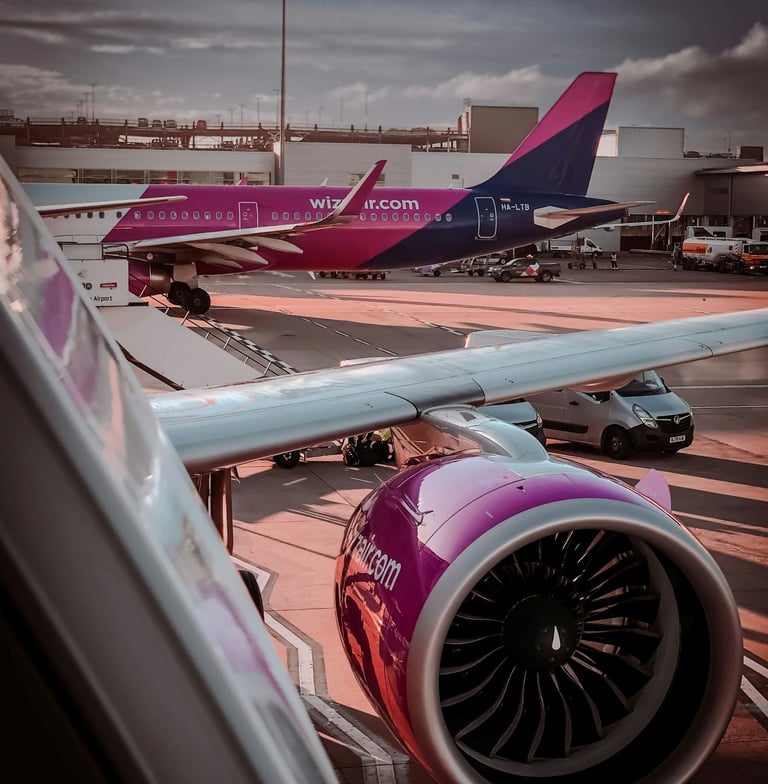
Wizz Air (Hungary) – Focuses on Central and Eastern Europe, with a fleet of A320s.
Vueling (Spain) – Owned by IAG (parent of British Airways and Iberia), flies to over 100 destinations.
Eurowings (Germany) – Part of the Lufthansa Group, serves more than 210 destinations.
Norwegian – Committed to climate neutrality by 2050, flies to over 80 destinations.
Transavia (Netherlands) – A full subsidiary of Air France‑KLM, serving Europe and North Africa.
airBaltic (Latvia) – Connects the Baltics to over 70 destinations.
Pegasus (Turkey) – Operates to 130 destinations, including 37 within Turkey.
Each has its own route network, baggage rules, and fee structure – so always check before booking
Low‑Cost Airlines Are Safe – Really
It’s natural to wonder about safety when you see ultra‑cheap fares. But within the EU, all airlines – budget or not – must comply with the same strict safety regulations. Ryanair, for example, has never had a single fatality in its 37+ years of operation, and AirlineRatings.com gives it a full 7‑star safety rating. You can check any carrier’s record at the Aviation Safety Network.
Understand the Luggage Rules Before You Pack
Luggage fees are where most people get stung. Here’s what you need to know for the three biggest players.
Carry‑on luggage – The cheapest fare on Ryanair, easyJet, and Wizz Air typically includes only a small underseat bag (roughly 40x20x25 cm). If you want a larger cabin bag (e.g. 55x40x20 cm) that goes in the overhead bin, you usually need to pay extra – often by buying “priority” or a similar add‑on.
Checked luggage – Basic fares almost never include a checked bag. You’ll pay separately, and prices vary by weight (usually 10 kg, 20 kg, or 32 kg) and season. High‑season fees can be significantly higher.


Weight and size – Requirements are given in centimetres and kilograms. A bag that exceeds either dimension or weight limit will incur a surcharge – at the gate, that surcharge can be eye‑watering (sometimes €10–€13 per extra kilogram). Always measure and weigh your bag at home.
Pro tip: Buy luggage allowances when you book. Adding them later costs more, and paying at the airport costs the most.
Online Check‑In Is Mandatory – Don’t Miss the Window
Budget airlines have moved almost entirely to online check‑in. If you miss the window, you’ll pay a heavy fee at the airport.
Ryanair – Online check‑in opens 48 hours before departure and closes 2 hours before. If you don’t check in by then, it’s €55 at the airport. Buying seat selection (€4–€15) extends the check‑in window to 60 days.
easyJet – Check‑in opens 30 days before and closes 2 hours before. No airport check‑in desks remain, but you can still get help at bag drop if needed.
Wizz Air – If you bought seat selection, check‑in opens 30 days ahead. Without it, only 48 hours ahead. Miss it? €30 airport check‑in fee.
How to avoid this: Set a phone reminder two days before your flight. Download the airline’s app – it stores your boarding pass and often works offline.
Spelling Mistakes and Name Changes Can Be Costly
A typo in your name can turn a cheap ticket into an expensive problem.
Ryanair – You have 24 hours from booking to correct a mistake for free. After that, a name correction costs €115 online, €160 at the airport. Transferring to another passenger costs €155.
easyJet – Minor spelling corrections online are free. Transferring a booking to someone else costs from €20 (over 60 days before departure) to €47 (within 60 days).
Wizz Air – Free correction if only three characters need changing, or if you need to expand an abbreviated name. Otherwise, €45.
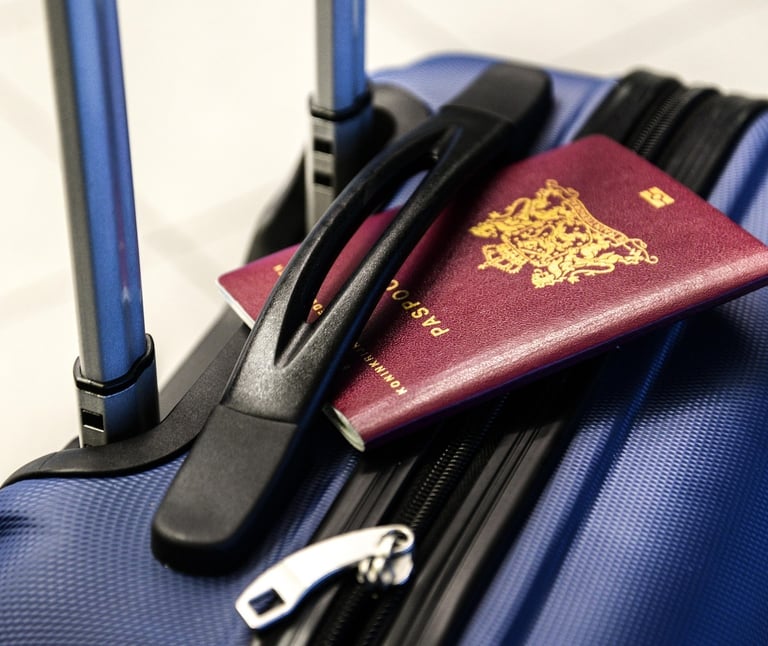
Avoid this: Triple‑check every letter of your name against your passport before clicking “pay”.
Changing or Cancelling a Flight – Understand the Fees
Plans change, and budget airlines make you pay for that flexibility.
Ryanair – Flights can be changed (dates, times, routes) but not cancelled. If you don’t travel, taxes may be refunded minus a €20 admin fee – often not worth it. Change fees range from €35 to €95 depending on route and timing.
easyJet – Cancelling within 24 hours of booking costs €35–€40, then you get a refund less that fee. Changing a flight during peak season (mid‑June to early September) costs €54 online if done 60 days or less before travel; off‑peak it’s €37.
Wizz Air – Cancellation fee: €60 up to 14 days before, €80 within 14 days. If you bought WIZZ Flex, you can cancel up to 3 hours before departure and get a credit. Change fees: €30–€40 depending on how close to departure.
Bottom line: Change or cancel as early as possible. Sometimes it’s cheaper to simply book a new flight.


Seat Selection, Priority Boarding, and Other Extras
Budget airlines unbundle everything. You’ll pay extra for:
Seat selection (from €1–€15, depending on airline and seat location)
Priority boarding (often €5–€10)
Extra legroom seats (significantly more)
Onboard food and drink (water from €2.50, a sandwich €5–€6)
Fast‑track security (where available)
Sometimes it’s cheaper to buy a higher fare bundle that includes several of these than to buy them à la carte. Do the maths.
Paying for Your Booking With a Credit Card
Some airlines still add a surcharge for certain payment methods.
Ryanair – Up to 1.2% for corporate or non‑EEA cards. Debit cards and standard EU‑issued consumer cards usually avoid the fee.
easyJet – No fee for any major credit or debit card (Visa, Mastercard, Amex, Diners, etc.).
Wizz Air – No additional fees for any payment option, including credit cards, bank transfer, or cash at airport desks.
Tip: If an airline charges a card fee, look for alternative payment methods like PayPal or bank transfer (where offered).


Travel Documents – Don’t Assume Standard Procedures
Non‑EU citizens should pay special attention. For example, Ryanair requires non‑EU passengers to get their boarding pass stamped at a document check desk before security. The location of that desk varies by airport, so allow extra time.
Always check the airline’s document requirements before leaving for the airport.
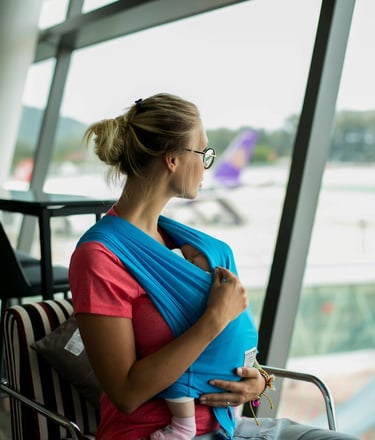
Travelling With Infants or Children
Rules vary widely:
easyJet – Tries to seat families together, but only paid seat selection guarantees it. Lap infants incur a fee.
Wizz Air – Offers priority boarding for two adults travelling with an infant. Free travel cot check‑in.
Norwegian – No extra carry‑on for infants, but you can bring milk and baby food.
Read the child policy carefully at booking – it can save you surprises at the gate.
Know Your Rights Under EU Law
Delays and cancellations – Under EU261, if your flight is cancelled or you arrive more than three hours late, you may be entitled to compensation (typically €250–€600, depending on distance). This applies to all EU‑registered airlines and to flights departing from the EU regardless of the airline. Make a claim directly with the airline first. If that fails, services like AirHelp can help – but they take a cut (often 20‑30%).
Strikes – Summer strikes are common. If a strike causes cancellation, you are entitled to a replacement flight or a full refund. Always get written confirmation and keep your boarding passes.

Loyalty Programs – Modest but Real
Don’t expect US‑style mileage programs. Most European budget carriers offer subscription‑based discounts.
Wizz Air Discount Club – Annual fee for discounted fares and bag allowances.
easyJet Plus – Subscription with seat selection, fast track, and a large cabin bag.
Vueling Club – Earn and redeem Avios (transferable to British Airways).
Norwegian Reward and Pegasus BolBol – More traditional earn‑and‑burn points.
If you fly the same budget airline several times a year, a subscription might pay off.
Always Compare With Full‑Service Carriers
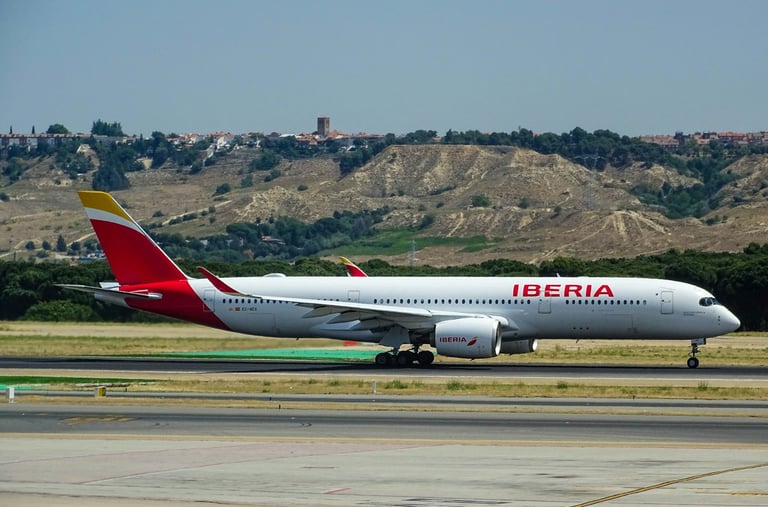
A low‑cost fare isn’t always the best deal once you add bags, seat selection, and priority boarding. Before booking, check the total price on a full‑service airline like Iberia, Air France, Lufthansa, or British Airways – especially for longer flights (over three hours). Sometimes the difference is small, and the included baggage, meal, and legroom make it worth paying a bit more.
Final Thoughts
Flying budget around Europe can save you a lot of money – but only if you know the game.
The golden rules are:
Read the fine print before booking.
Pay for extras during booking, not at the airport.
Check in online as soon as the window opens.
Weigh and measure your bags at home.
Know your EU261 rights.
Do that, and those €19 fares become genuine bargains – leaving you more to spend on good food, nice wine, and unforgettable experiences across Europe.
Fees mentioned are indicative and may change; always check the airline’s official website before booking.
All Rights Reserved
© www.affordabletravel4u.com
Travel Info
Travel Advice