

EU Clamps Down on Airlines Adding Fuel Surcharges After Ticket Purchase
Published by V.S. Journeys
The European Commission has issued a firm warning to airlines: they cannot add fuel surcharges to tickets after a flight has been bought within the EU, even as fuel prices soar amid the ongoing Middle East crisis. In a guidance note released on Friday, Brussels made clear that costly kerosene alone is no excuse for dodging passenger compensation or retroactively hiking fares.
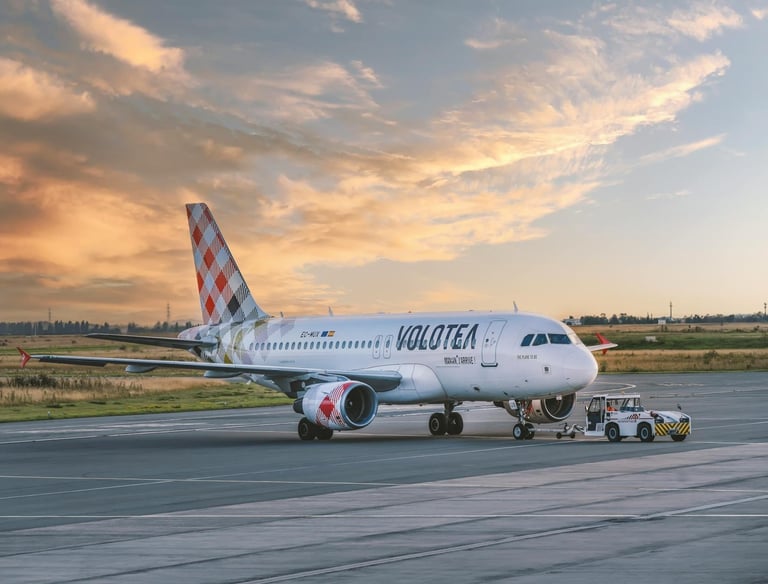
The ruling effectively outlaws any post-purchase price adjustments – a practice that Spanish low-cost carrier Volotea has been using for several weeks.
Posted on 11. May 2026
The airline recently imposed surcharges of up to €14 per ticket, citing a sharp rise in kerosene prices. Volotea calls the policy a “Fair Travel Promise,” which it has embedded into its latest terms and conditions. Under this model, the company reviews fuel market prices seven days before departure: if prices have risen, a surcharge is applied; if they’ve dropped, the difference is refunded. Passengers must pay the fee to confirm their seat.
But the European Commission has pushed back, reiterating that airlines selling tickets in the EU must always display the final price from the outset. “This includes all unavoidable and foreseeable taxes, fees, and charges,” a Commission spokesperson said. “Adding a fuel surcharge to a ticket after it has been bought cannot be justified.”
The move stems from the Air Services Regulation, which requires transparent pricing of airfares. Spain’s consumer protection organisation Facua has already called for an investigation into Volotea’s practice, labelling it unlawful and warning that other carriers might follow suit. Volotea has been contacted for comment.
What About Flight Cancellations?
The recent surge in fuel prices – driven largely by the closure of the Strait of Hormuz, which has cut off around a fifth of global oil supplies – has led several major European airlines, including Lufthansa, British Airways, and KLM, to cancel flights. Many have argued that certain routes have become economically unfeasible or unprofitable.
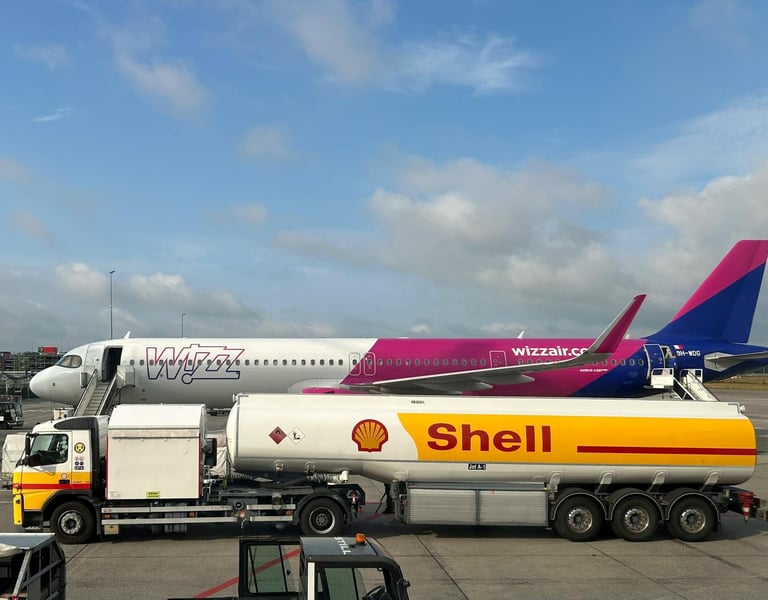
However, the Commission stressed that passengers affected by cancellations remain fully protected under EU air passenger rights. That means they are entitled to reimbursement, rerouting, or a return flight, plus assistance at the airport. For last‑minute cancellations (less than 14 days before departure), airlines are generally required to pay compensation, either as a full ticket refund or a voucher of the same value.


Airlines are only exempt from paying financial compensation if they can prove the cancellation was caused by truly extraordinary circumstances – such as a localised fuel shortage. High fuel prices caused by the Middle East conflict, the Commission clarified, do not qualify as extraordinary.
“There is a difference between high jet fuel prices and a shortage of fuel,” the spokesperson said. “It is for the airlines to manage price volatility.” The Commission acknowledged that fuel accounts for a large chunk of carriers’ costs, but noted that such volatility is “entirely foreseeable at the moment.”
A Small Exemption to Keep Routes Open
To help airlines avoid scrapping certain routes altogether, the Commission has offered a narrow exemption: carriers can be released from the 90 percent fuel uplift rule under the ReFuelEU Aviation regulation. This measure is designed to keep flights operating where possible, without allowing retroactive surcharges on already sold tickets.
In short, passengers who have already bought a ticket in the EU can rest assured that no surprise fuel fee will land in their inbox. But if a flight is cancelled, their rights to compensation and rerouting remain firmly in place – regardless of how expensive kerosene becomes.
All Rights Reserved
© www.affordabletravel4u.com
Travel Info
Travel Advice